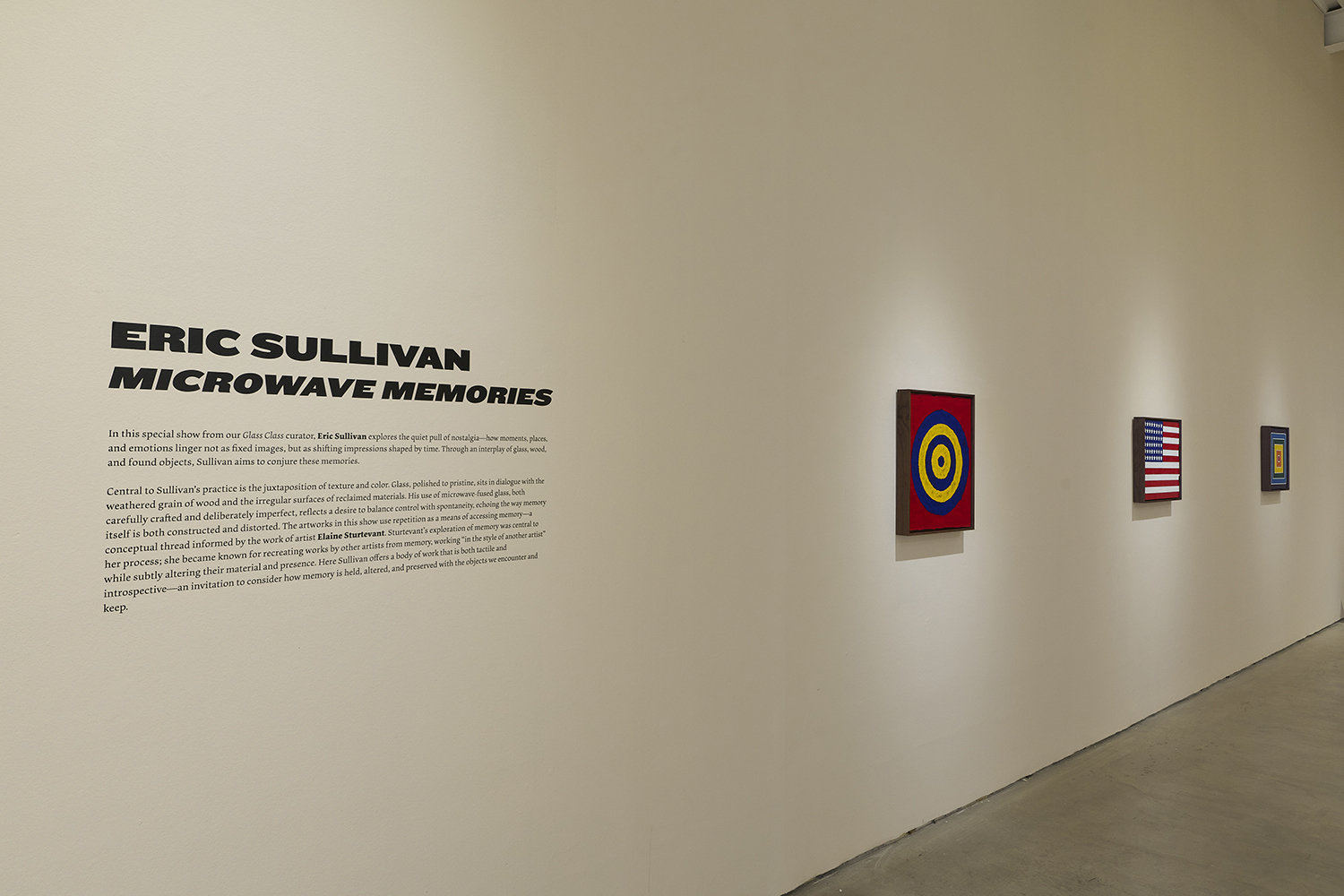
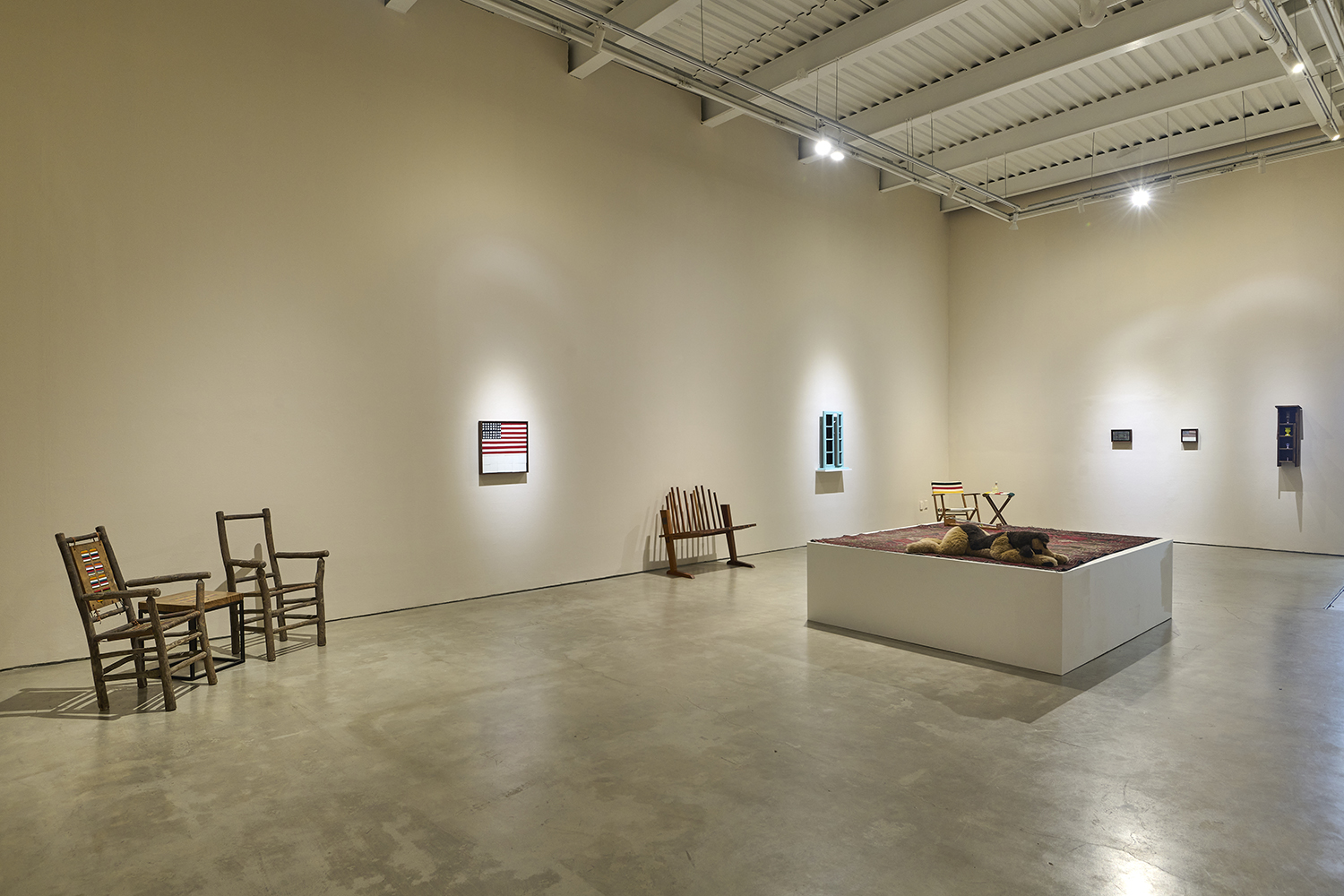
In this special show in our rear gallery, Eric Sullivan explores the quiet pull of nostalgia—how moments, places, and emotions linger not as fixed images, but as shifting impressions shaped by time. Through an interplay of glass, wood, and found objects, Sullivan aims to conjure these memories.
Central to Sullivan’s practice is the juxtaposition of texture and color. Glass, polished to pristine, sits in dialogue with the weathered grain of wood and the irregular surfaces of reclaimed materials. His use of microwave fused glass, both carefully crafted and deliberately imperfect, reflects a desire to balance control with spontaneity, echoing the way memory itself is both constructed and distorted.
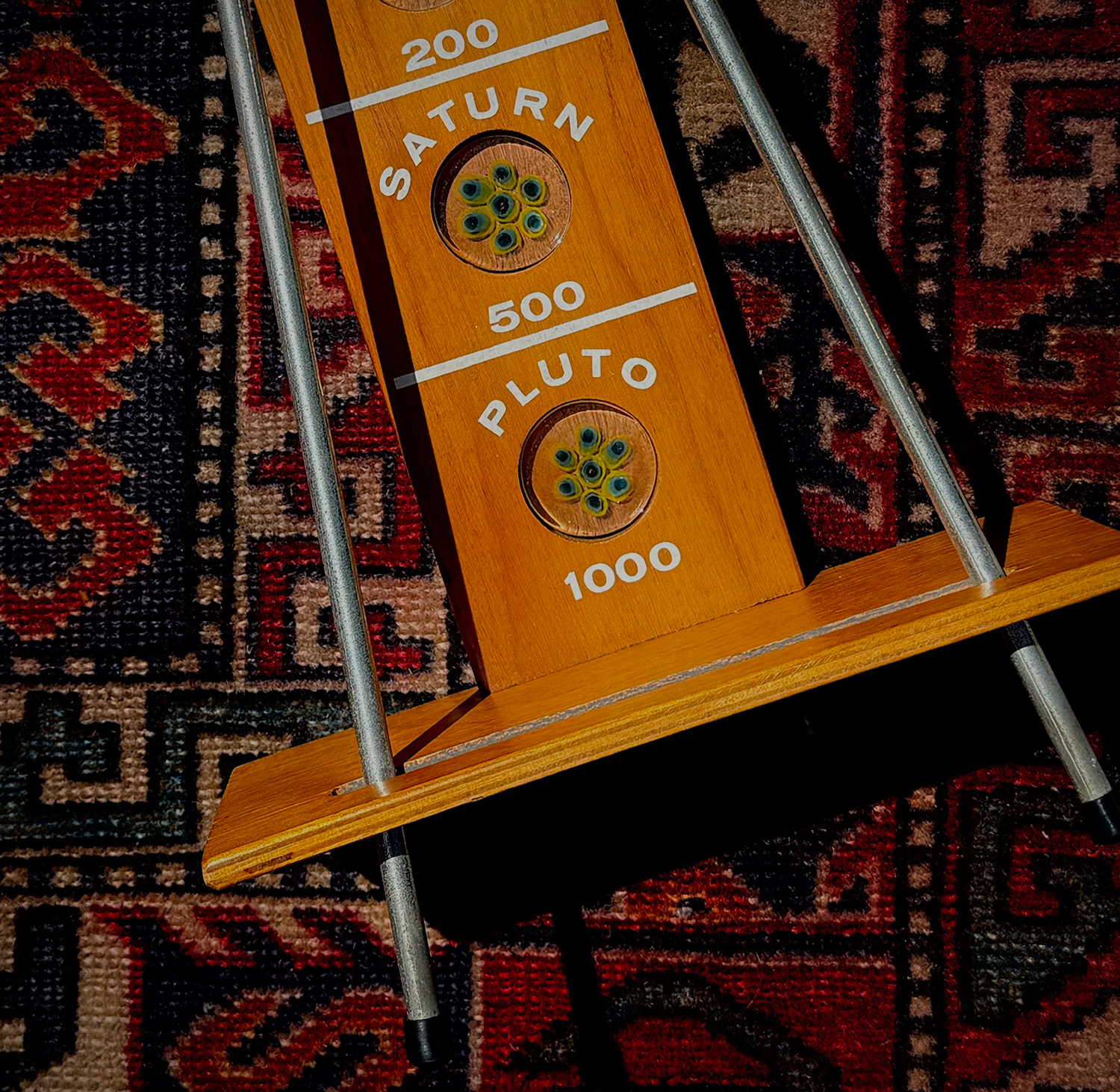
A key material in this body of work, microwave-fused borosilicate glass, is made through a process that allows Sullivan to manipulate durability and fragility simultaneously. The resulting forms carry a distinctive, imperfect distortion, evidence of the unique transformation shaped by uncontrollable microwave radiation. Found objects play a crucial role in Sullivan’s process. He seeks out materials that bear traces of previous lives—fragments that suggest use, history, and human presence. By integrating these elements with glass forms made with intention, he bridges the gap between the past and the present, allowing each piece to function as a vessel.
The artworks in this show use repetition as a means of accessing memory—a conceptual thread informed by the work of artist Elaine Sturtevant. Sturtevant’s exploration of memory was central to her process; she became known for recreating works by other artists from memory, working “in the style of another artist” while subtly altering their material and presence. Her repetitions were never exact copies, but acts of recall—filtered and imperfect, transformed through perception and time.
In his newest works, Sturtevant herself becomes the subject, as Sullivan reinterprets her legacy through his own material language. By translating her ideas into compositions of glass, paint, and wood, he both honors and disrupts her process, redirecting the act of repetition back onto its source. In doing so, Sullivan creates a layered dialogue about authorship, memory, and transformation—one that underscores how even the act of remembering another artist’s work becomes an original gesture in itself. The works invite a kind of quiet reflection, encouraging an awareness of how personal histories attach themselves to the physical world.
Through this fusion of material exploration and emotional resonance, Eric Sullivan offers a body of work that is both tactile and introspective—an invitation to consider how memory is held, altered, and preserved with the objects we encounter and keep.
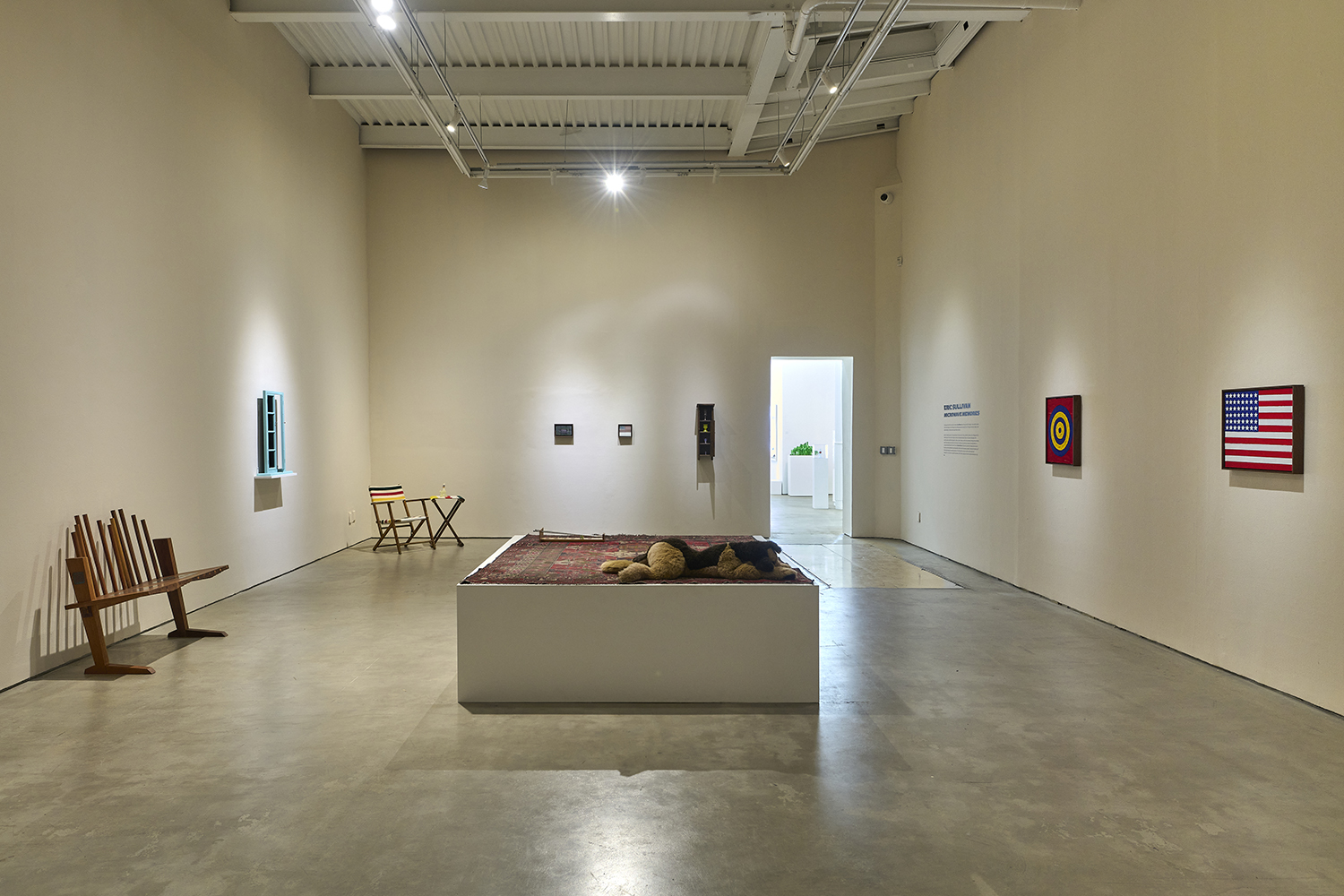
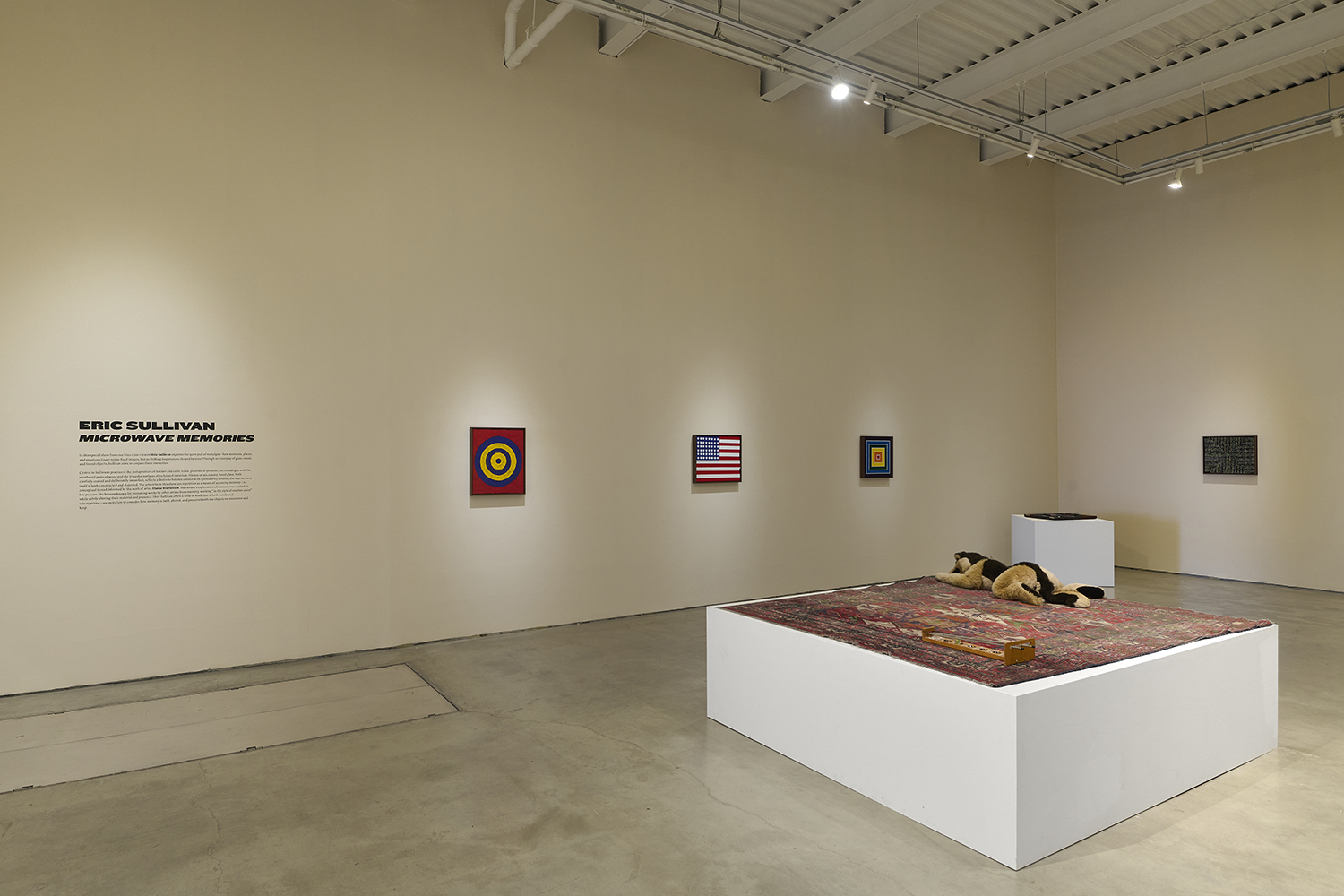
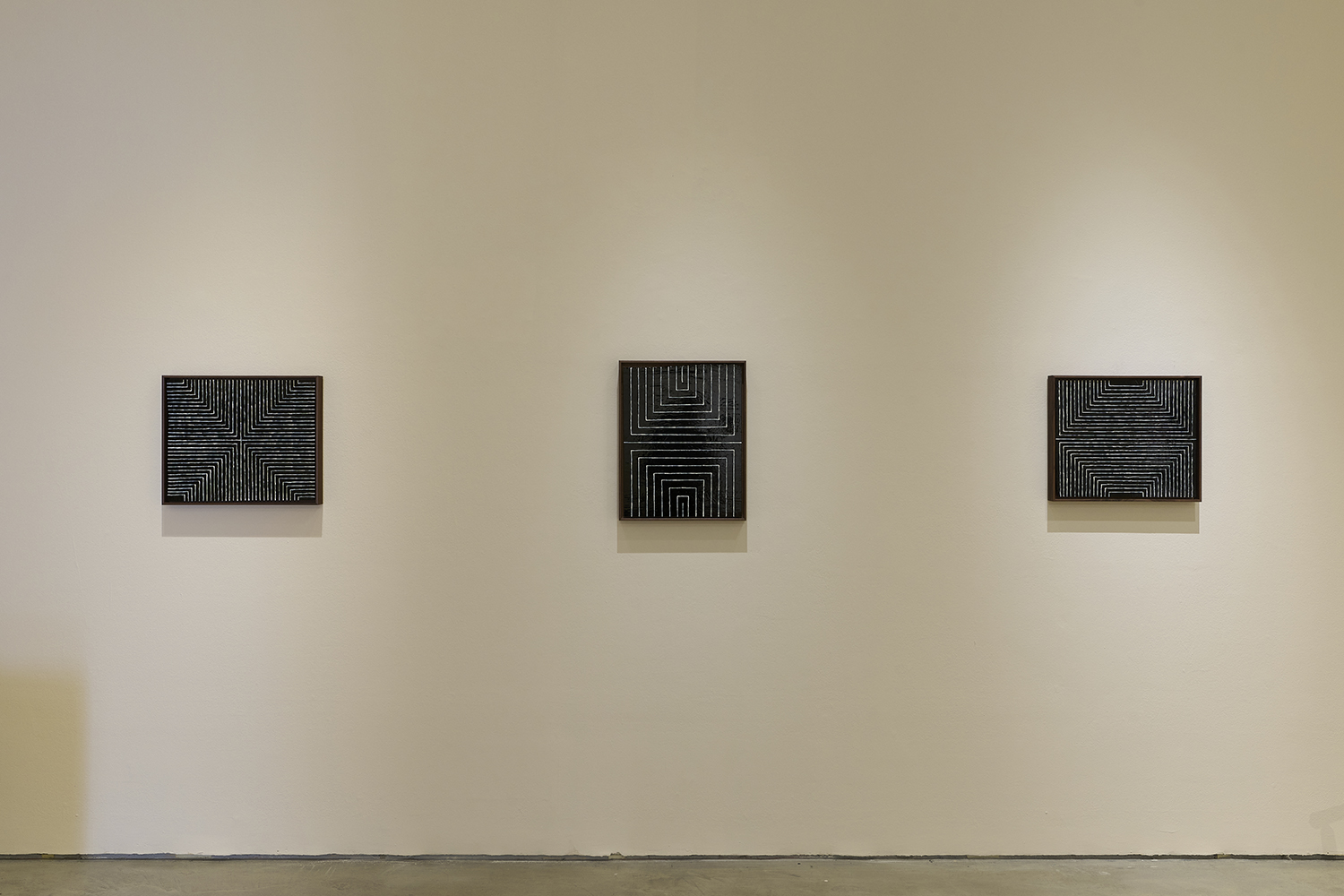
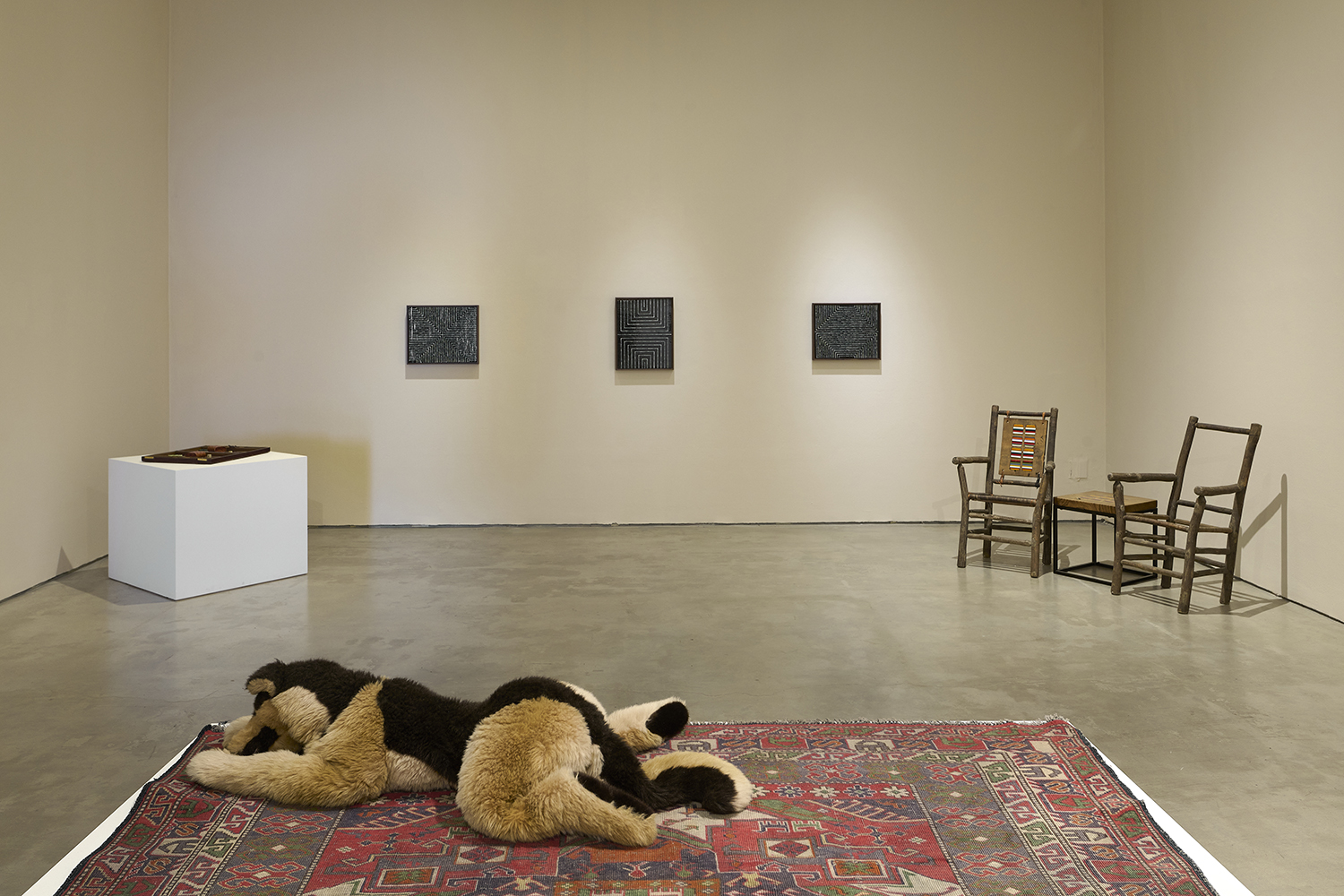
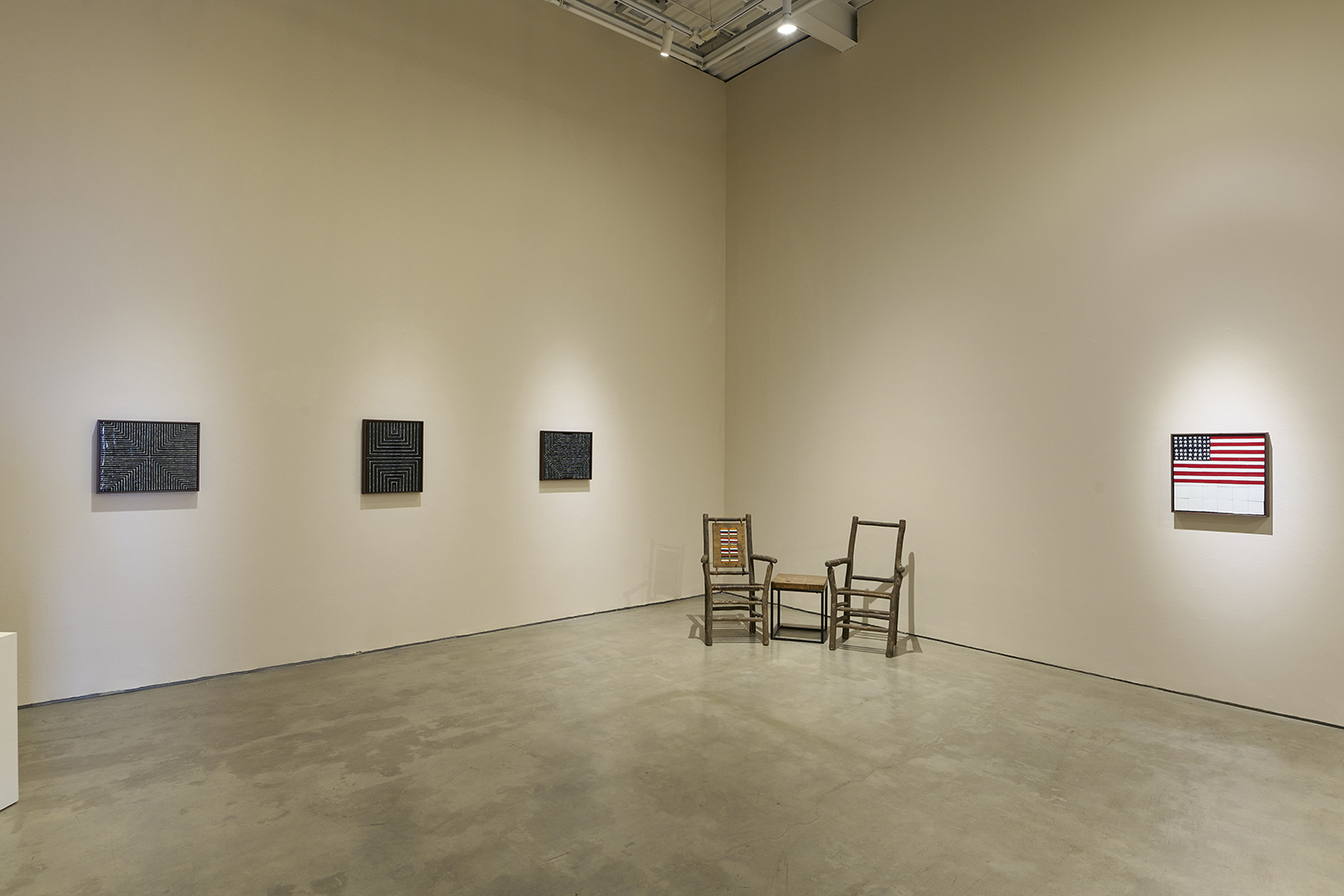
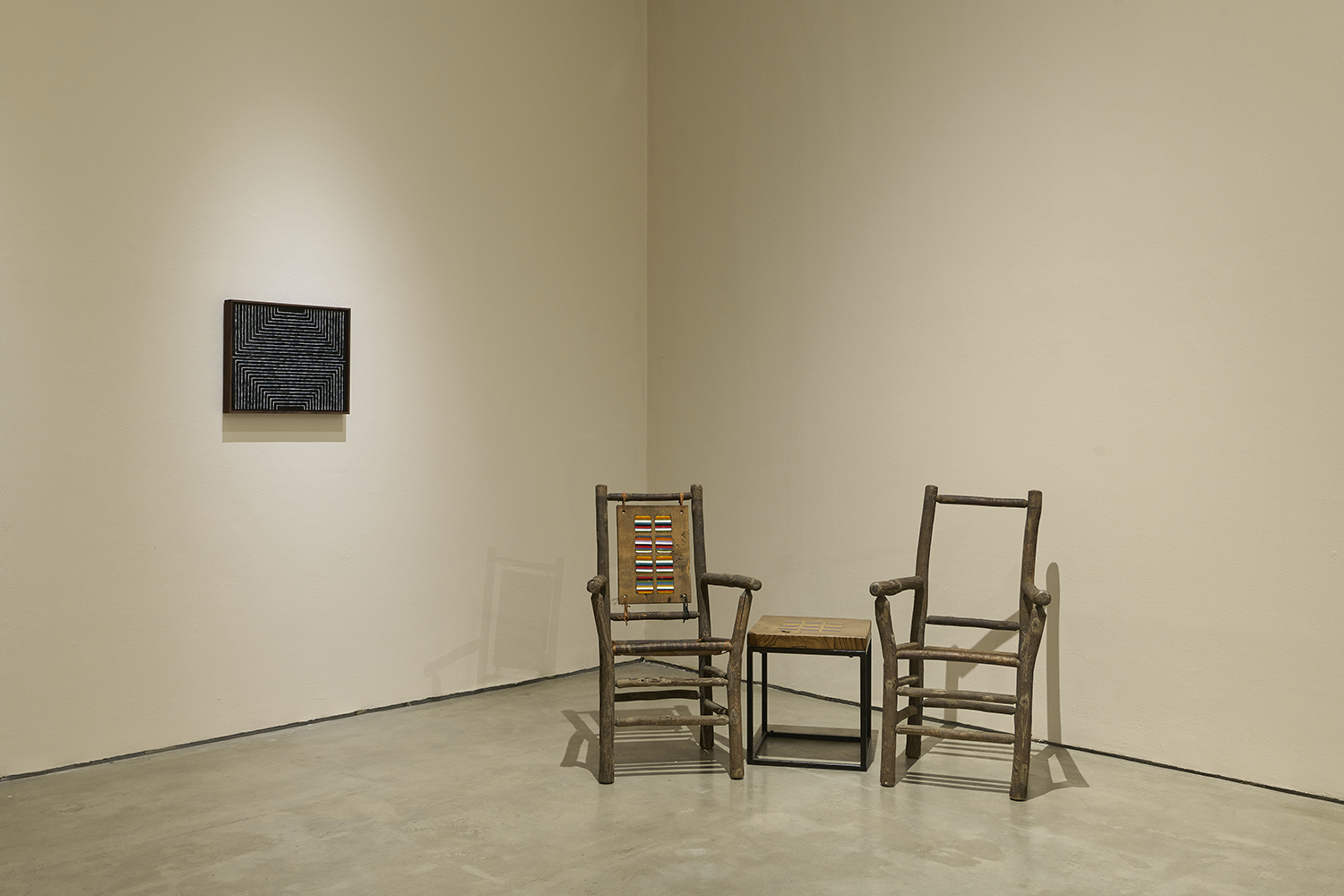
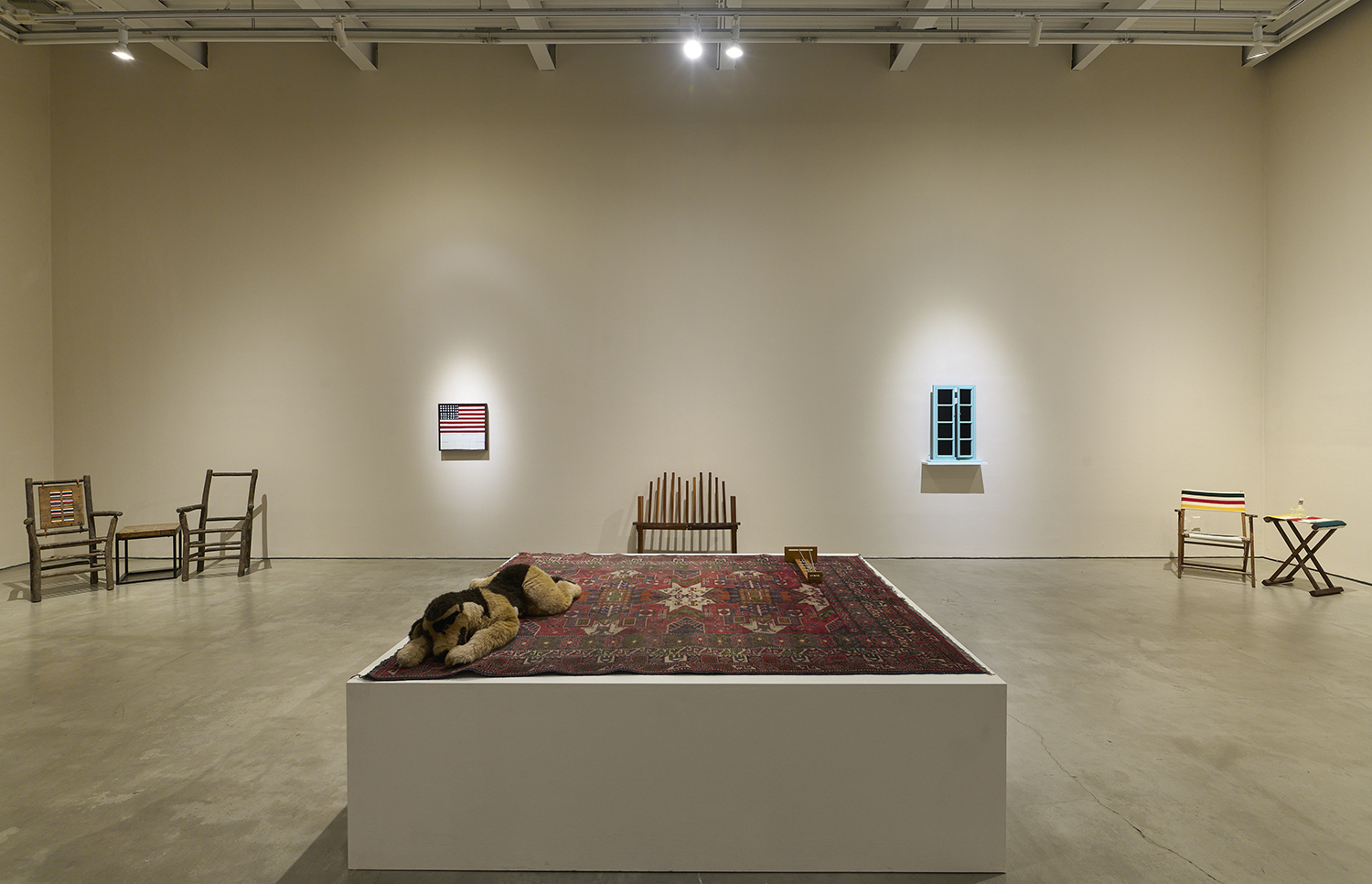
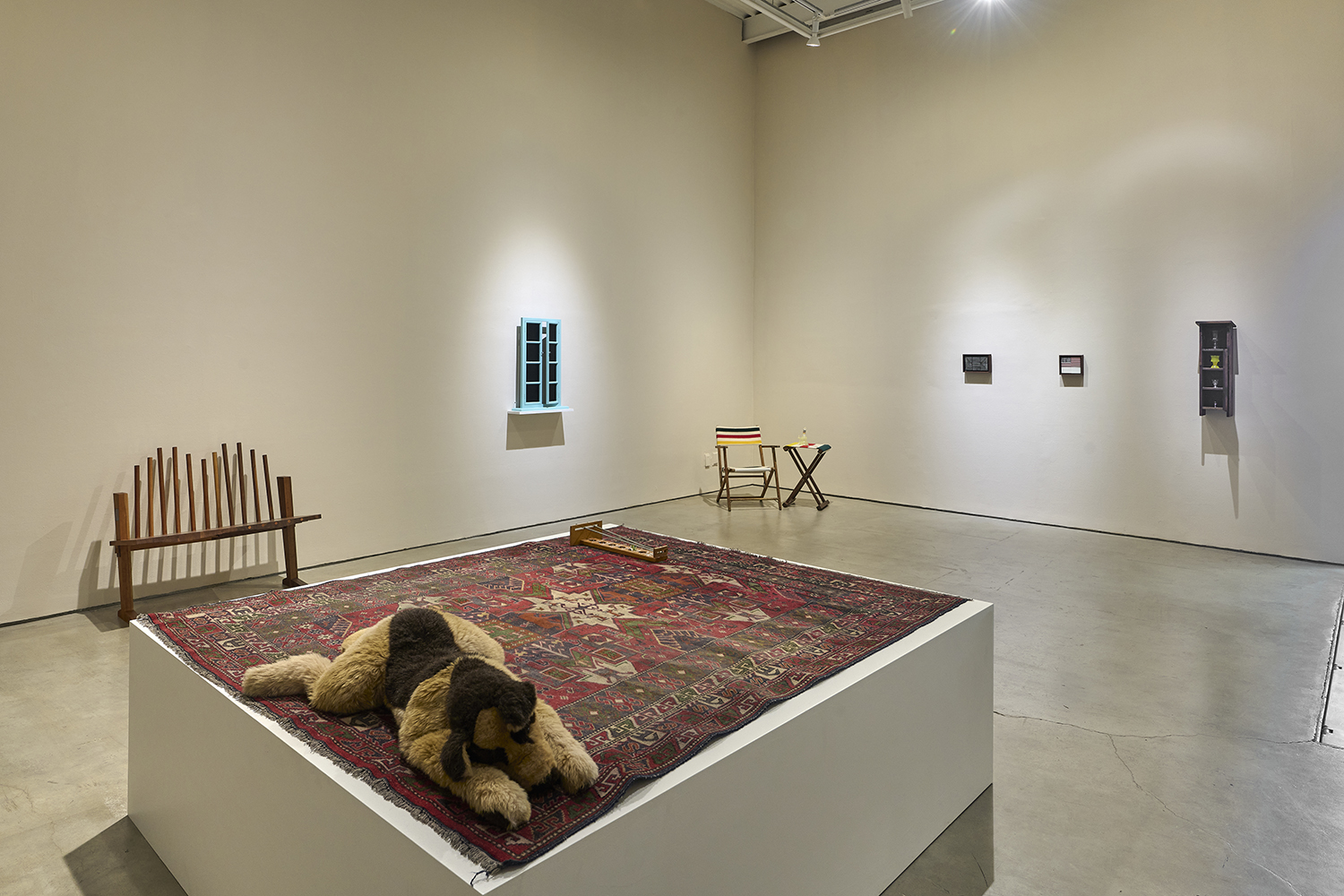
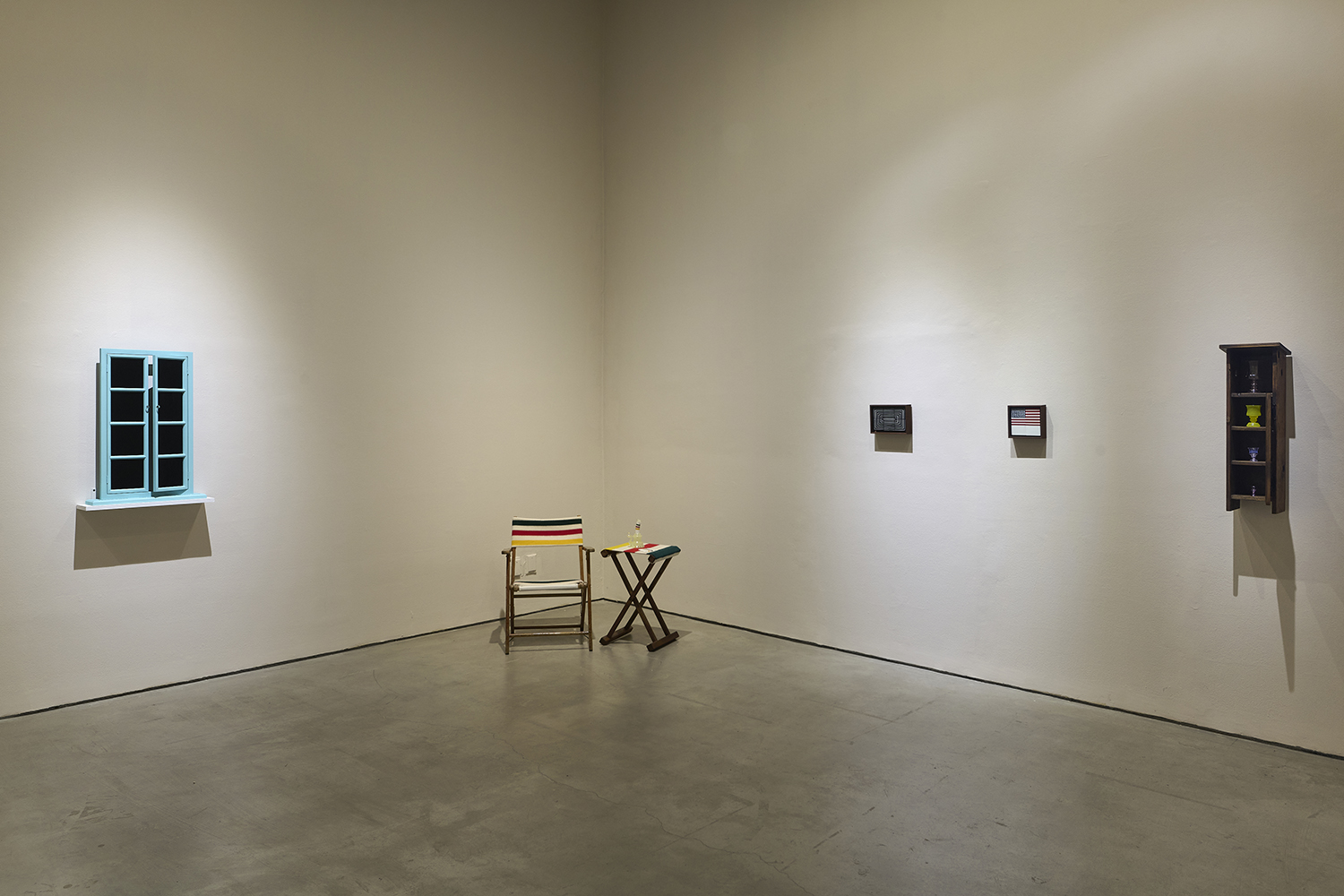
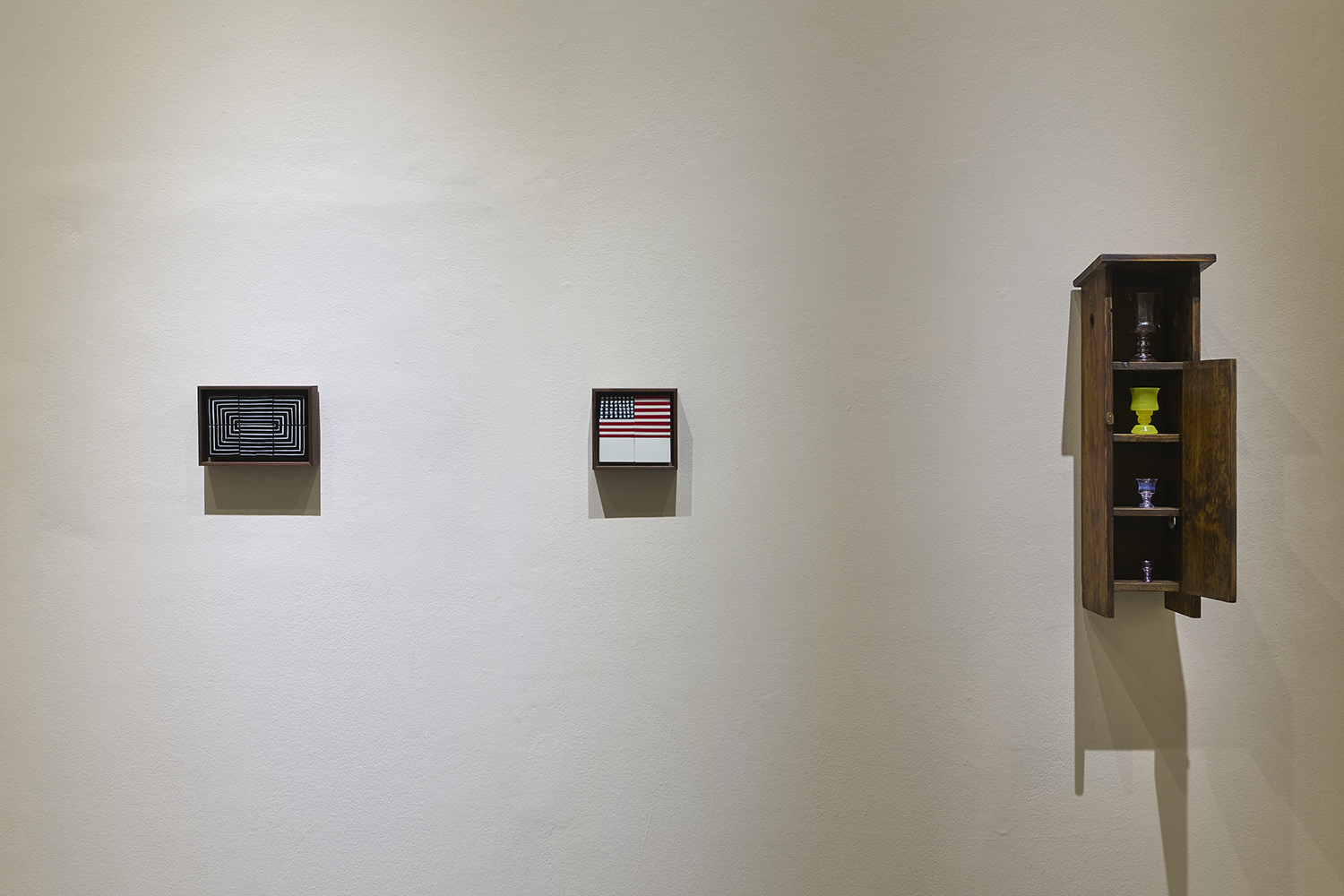
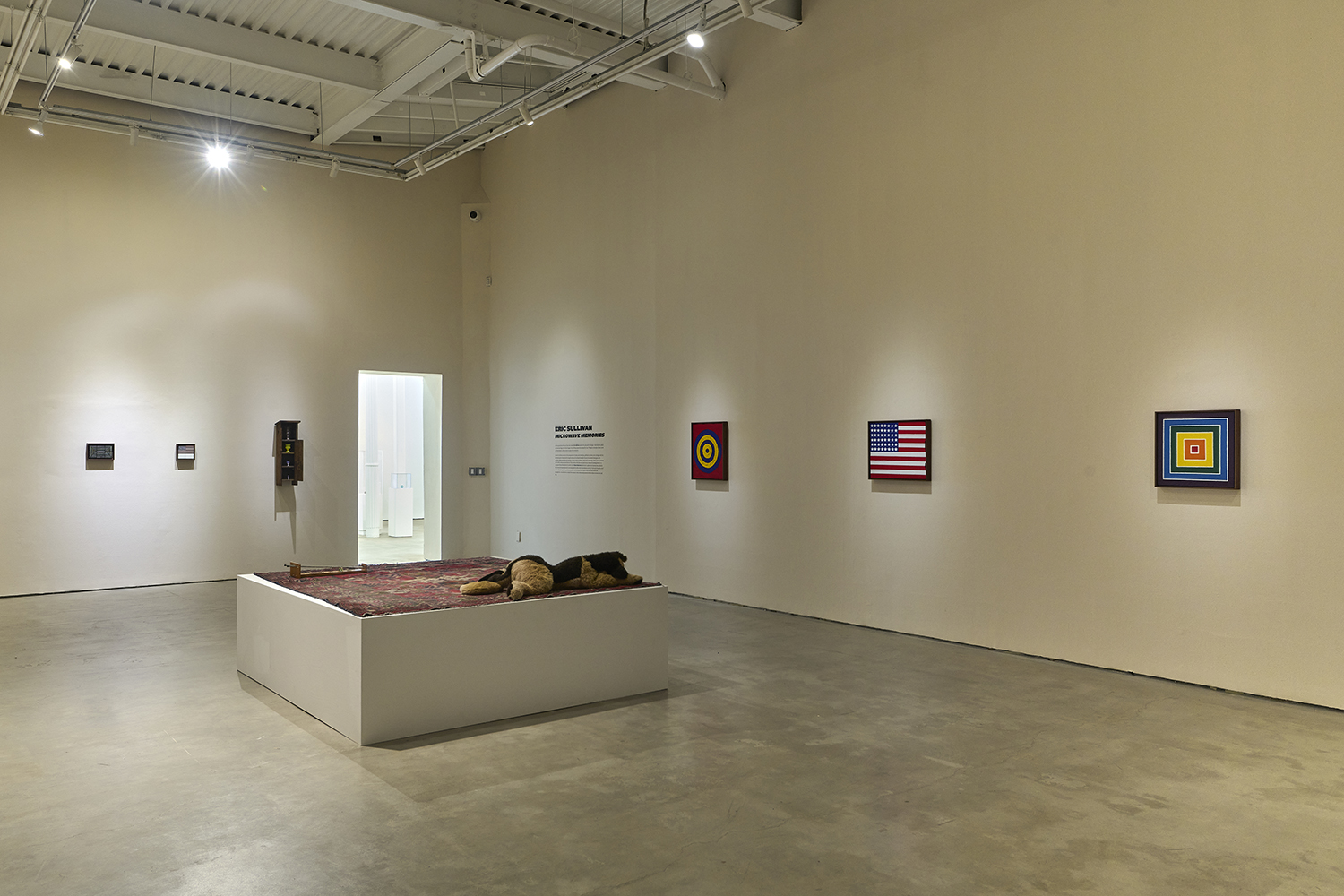
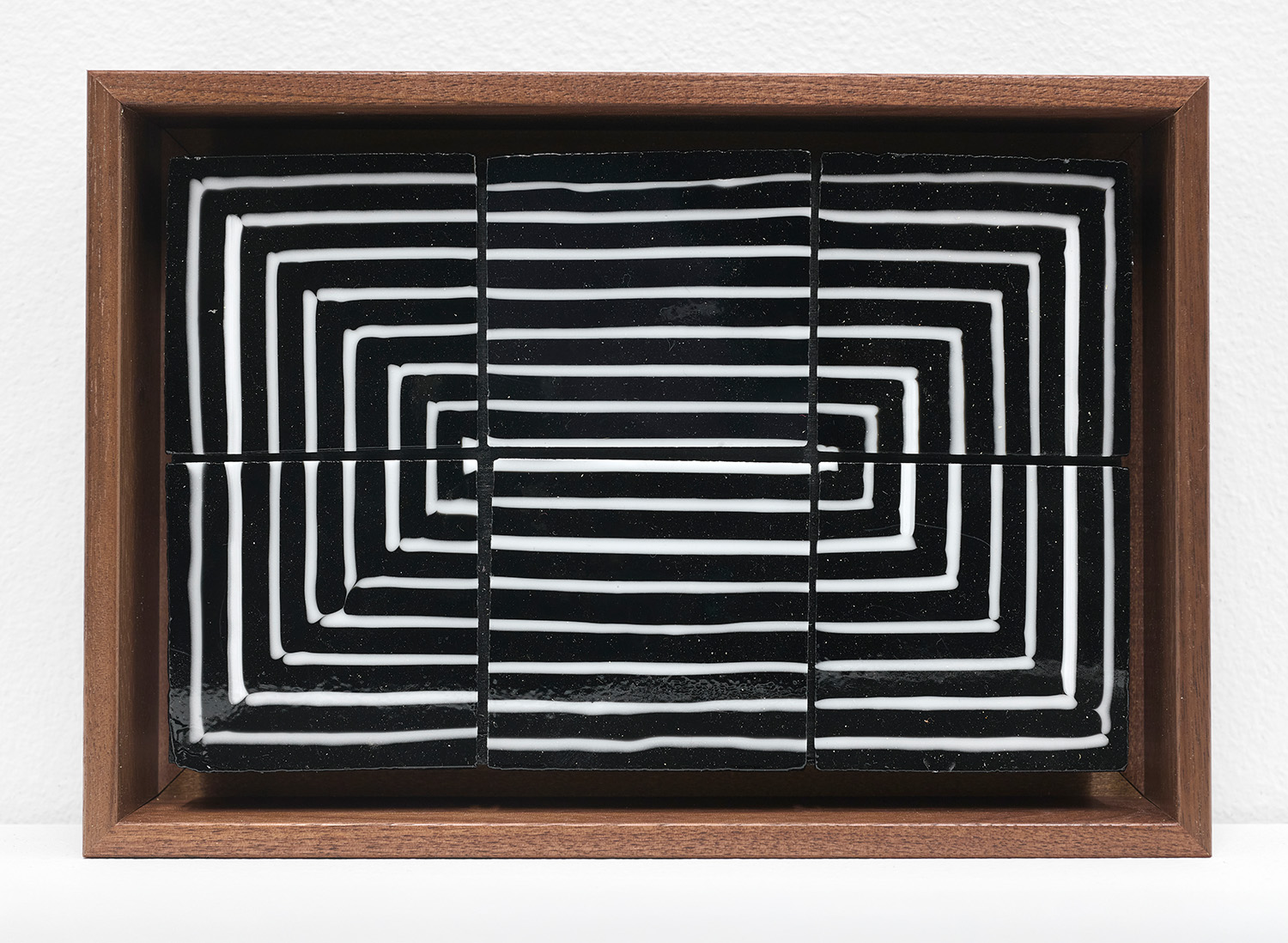
Eric Sullivan, Sturtevant: Stella Tomlinson Court Park (First Version, Study) 1990, microwaved borosilicate mounted on board in walnut frame, 7 x 10 inches, 18 x 25 cm
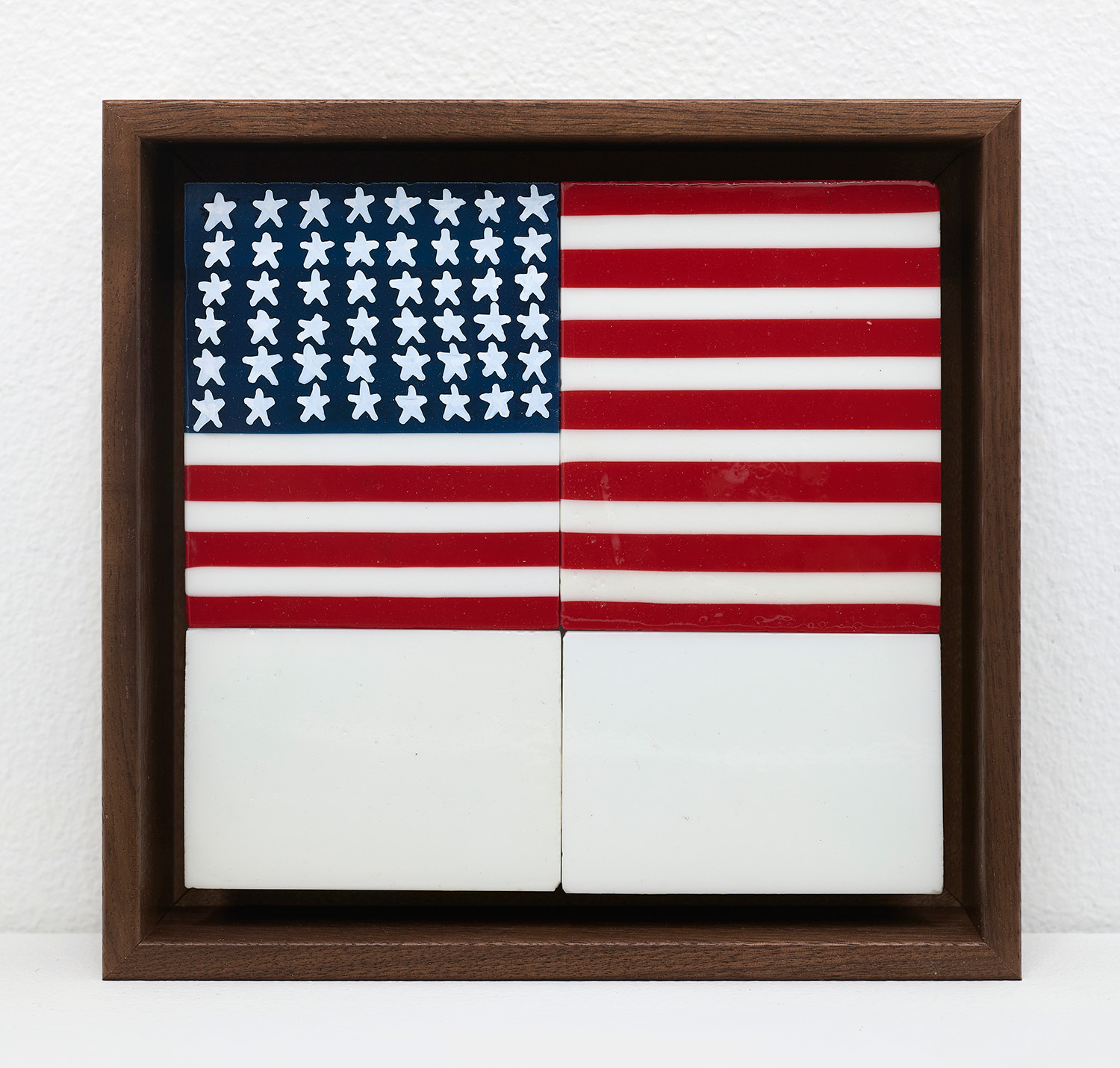
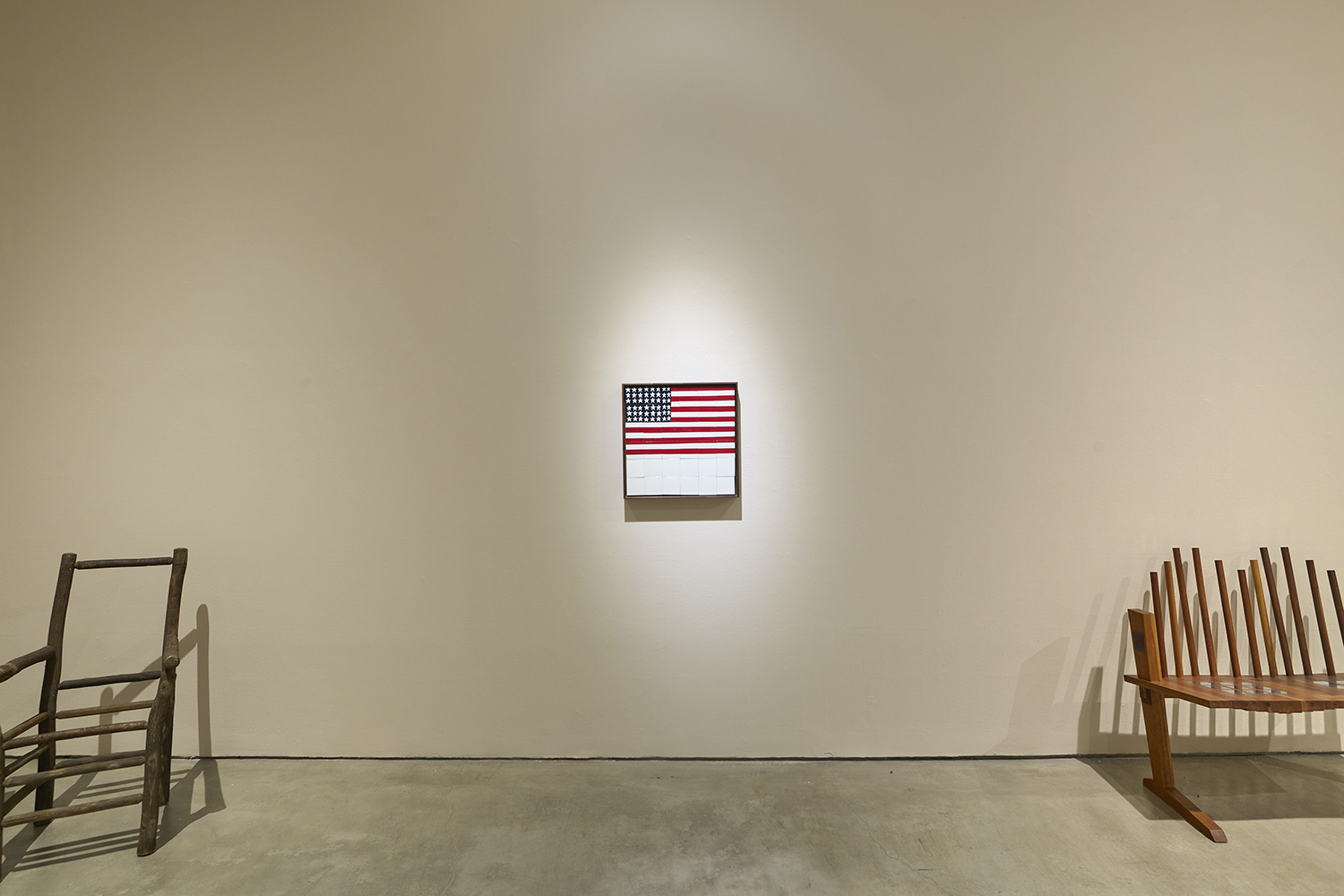
Eric Sullivan, Sturtevant: John’s Flag on White 1968 (Study), 2026, enamel, microwaved borosilicate mounted on board in walnut frame, 7 x 7 inches, 18 x 18 cm
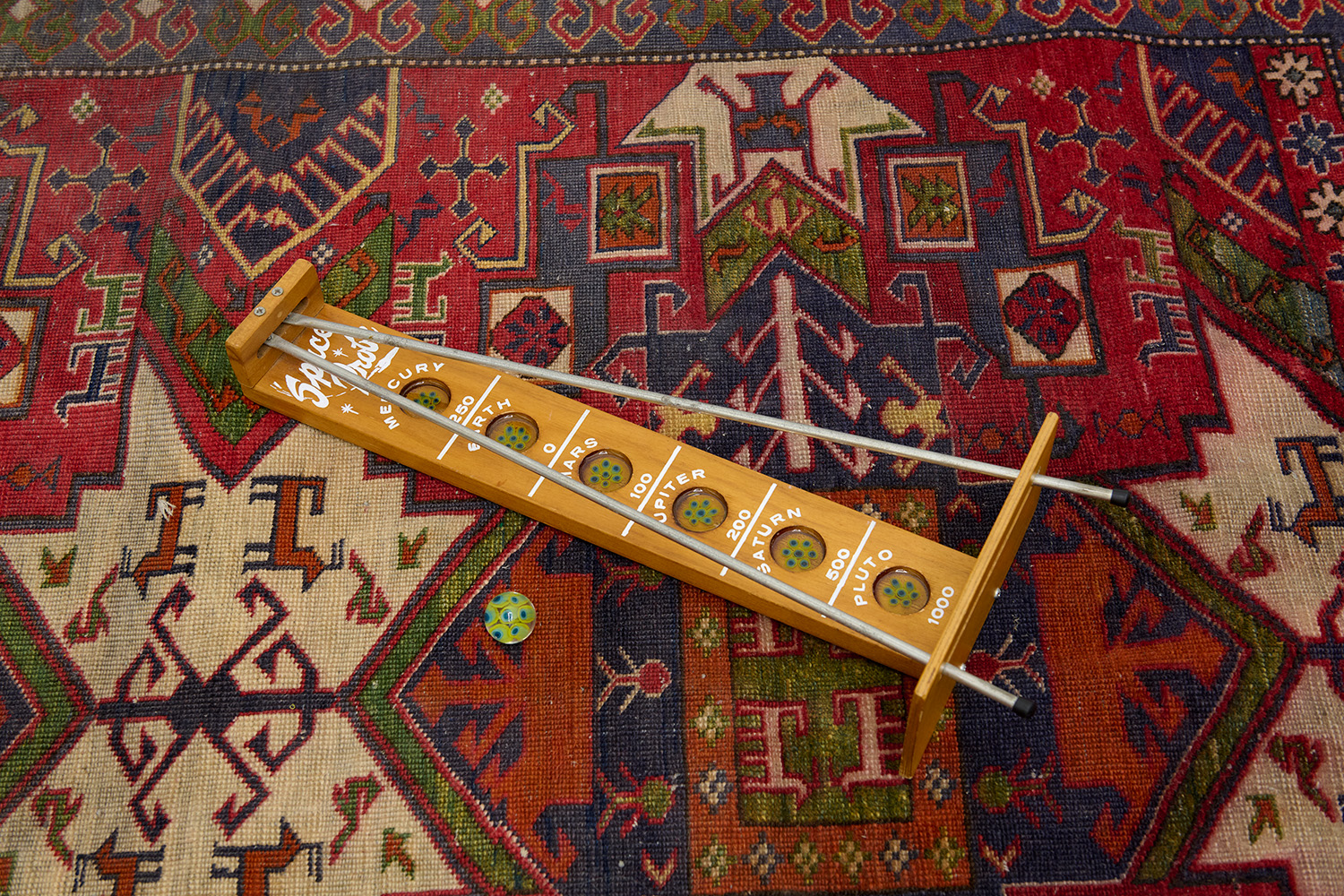
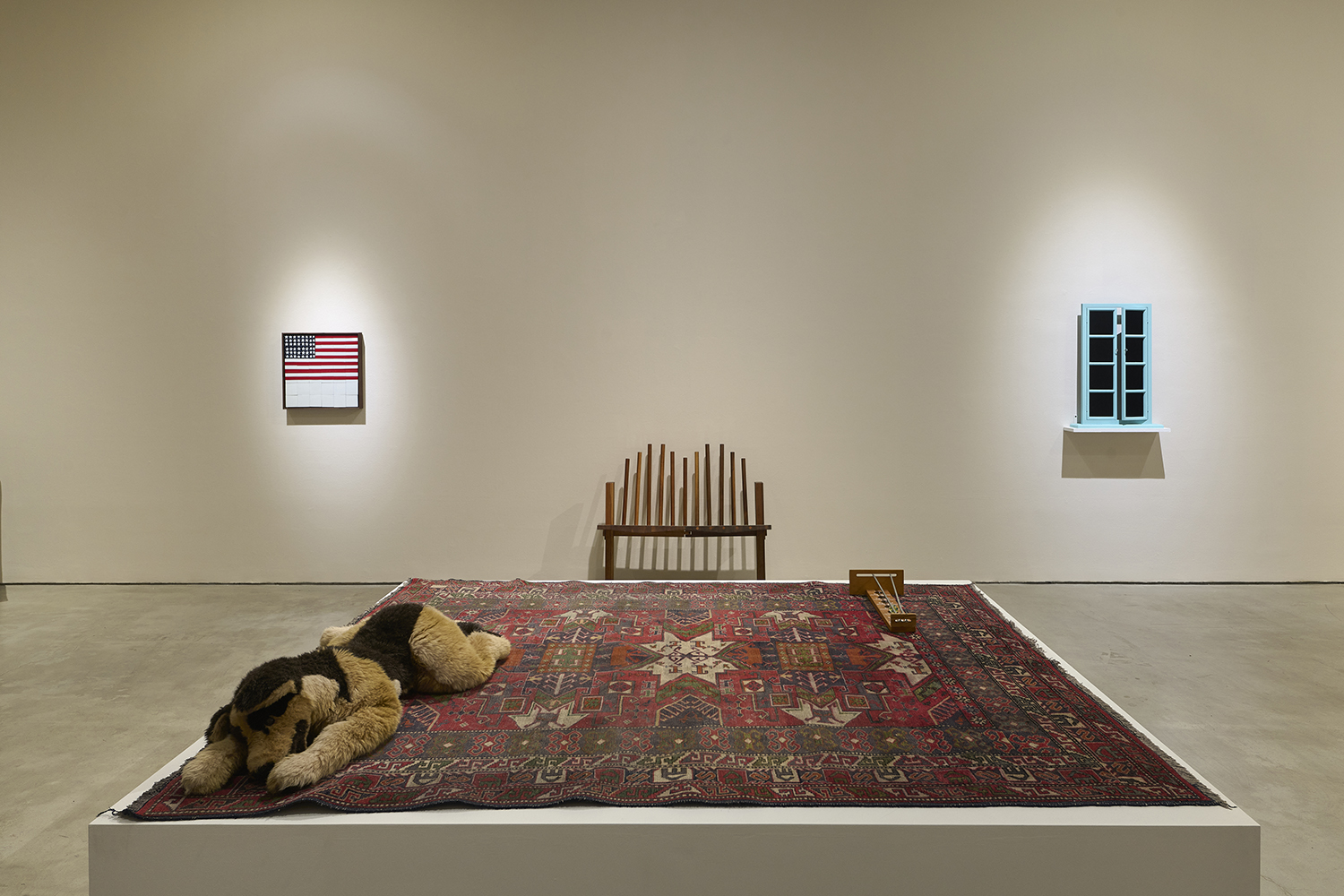
Eric Sullivan, Grammys Game, 2026, enamel on found object, microwaved borosilicate, resin, rug, plinth, 84 x 74 x 27 inches, 213 x 188 x 68 cm
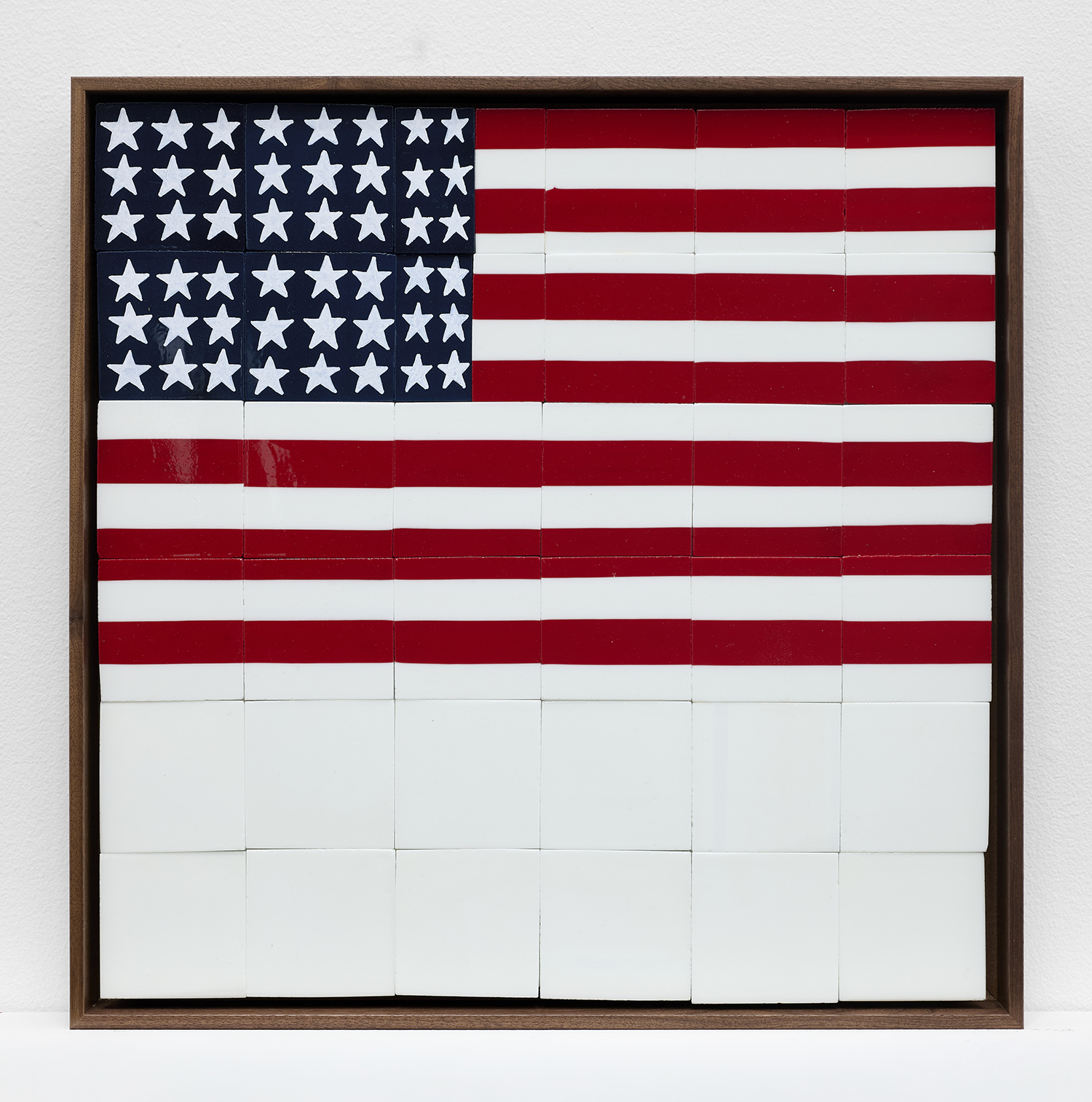
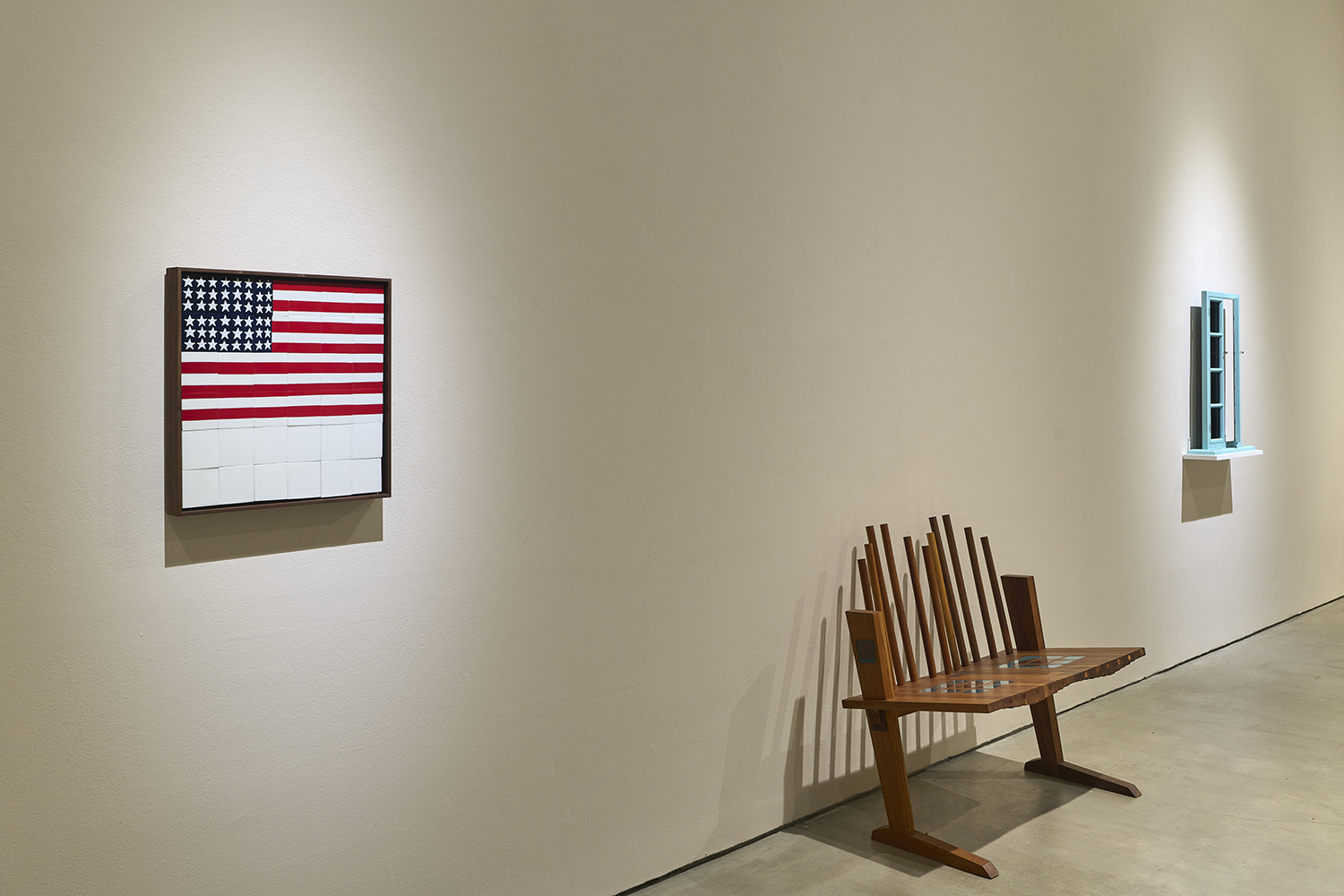
Eric Sullivan, Sturtevant: John’s Flag Above White Ground 1967-68, 2026, enamel, microwaved borosilicate mounted on board in walnut frame, 19 x 19 inches, 48 x 48 cm
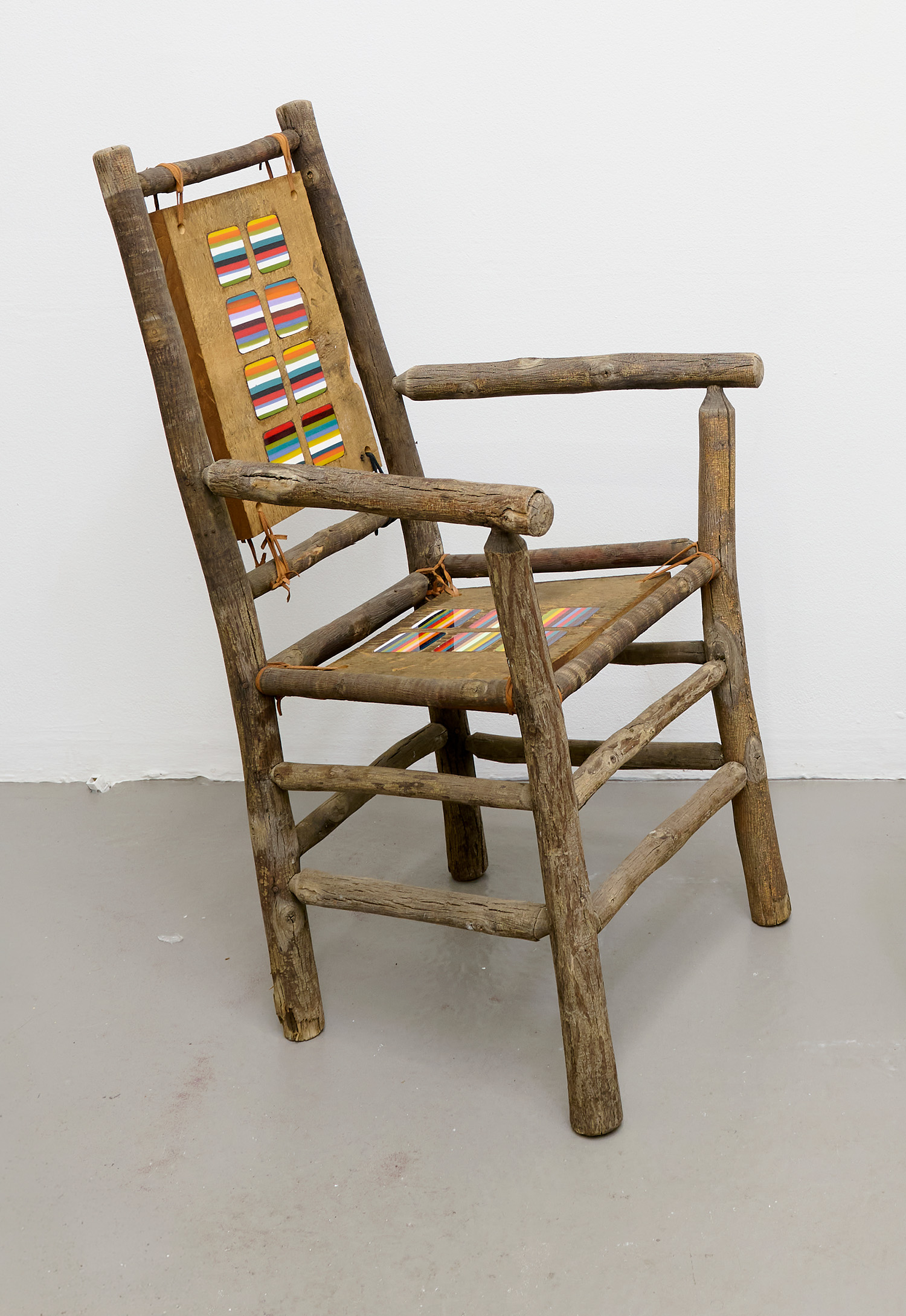
Eric Sullivan, To Remember Boone, 2026, wood, leather, microwaved borosilicate on found object, 38 x 23 x 19 inches, 96 x 58 x 48 cm
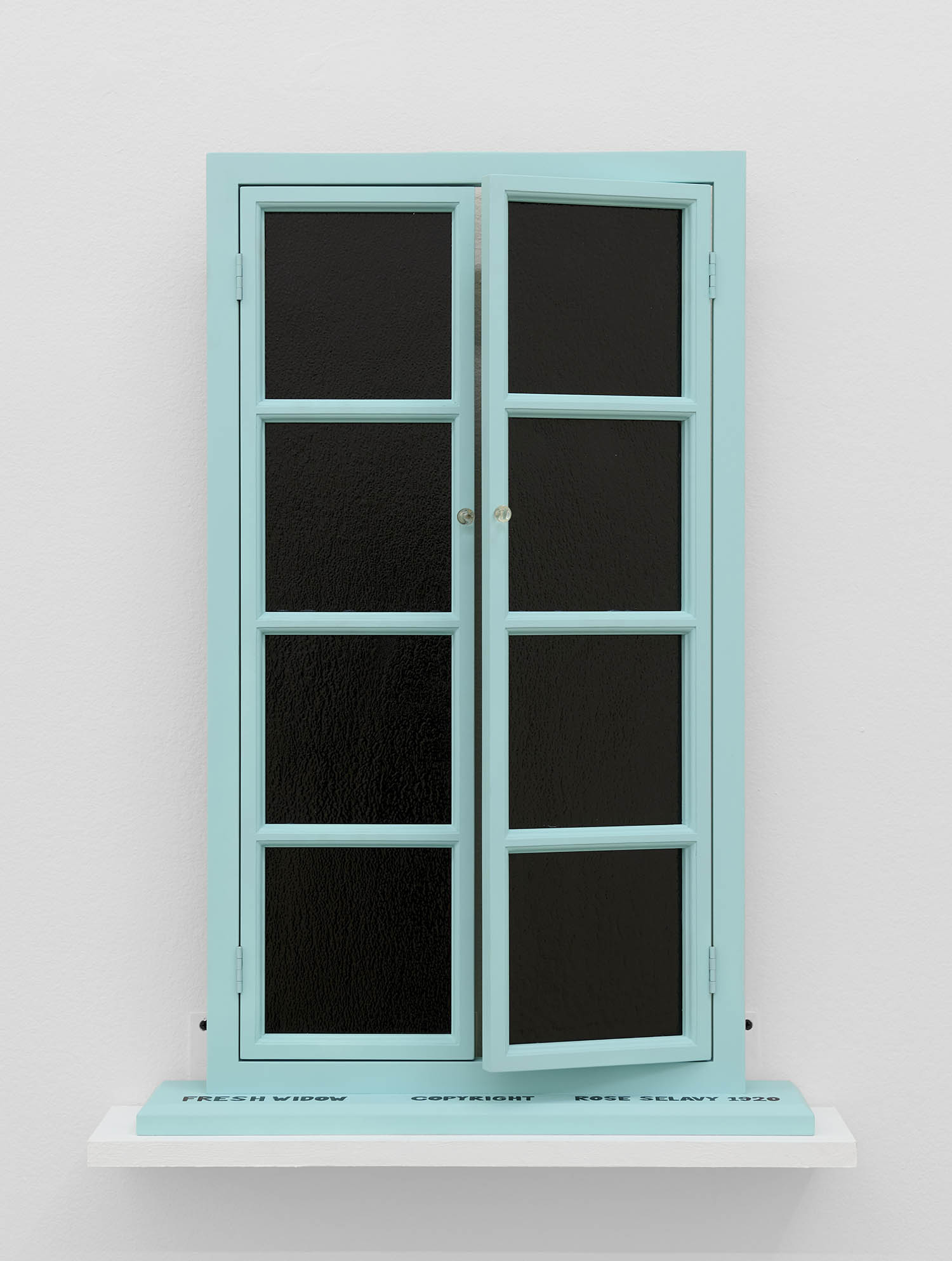
Eric Sullivan, Sturtevant: Duchamp Fresh Widow 1992, 2026, poplar wood, metal, borosilicate, rolled glass, 32 x 18 x 5 inches, 81 x 46 x 13 cm
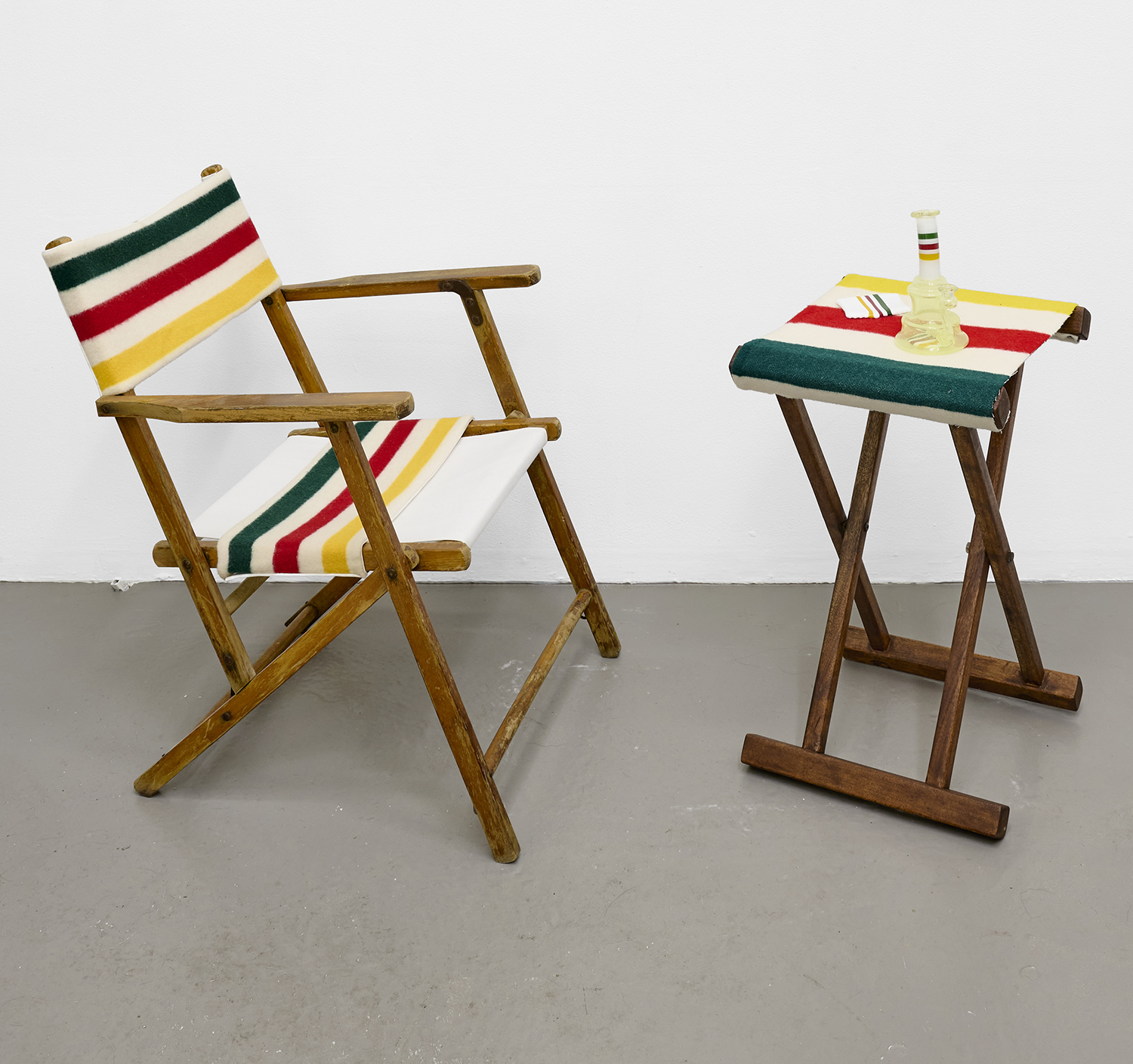
Eric Sullivan, Glacier Beach, 2022-2026, upholstery on found objects, microwaved borosilicate, blown borosilicate, dimensions variable
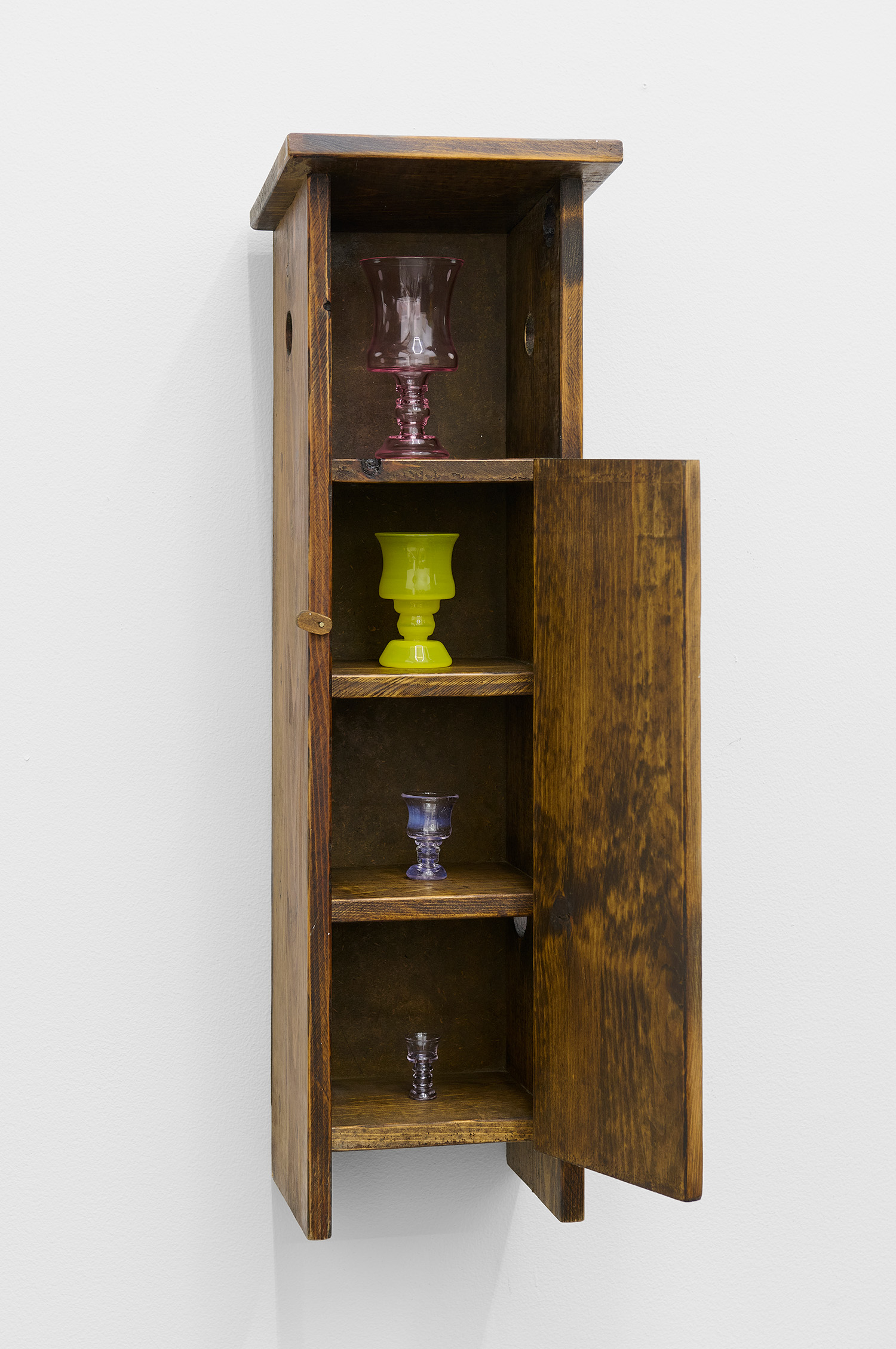
Eric Sullivan, Peel Back The Layers, 2026, wood cupboard, glass, 29 x 9 x 8 inches, 74 x 23 x 20 cm
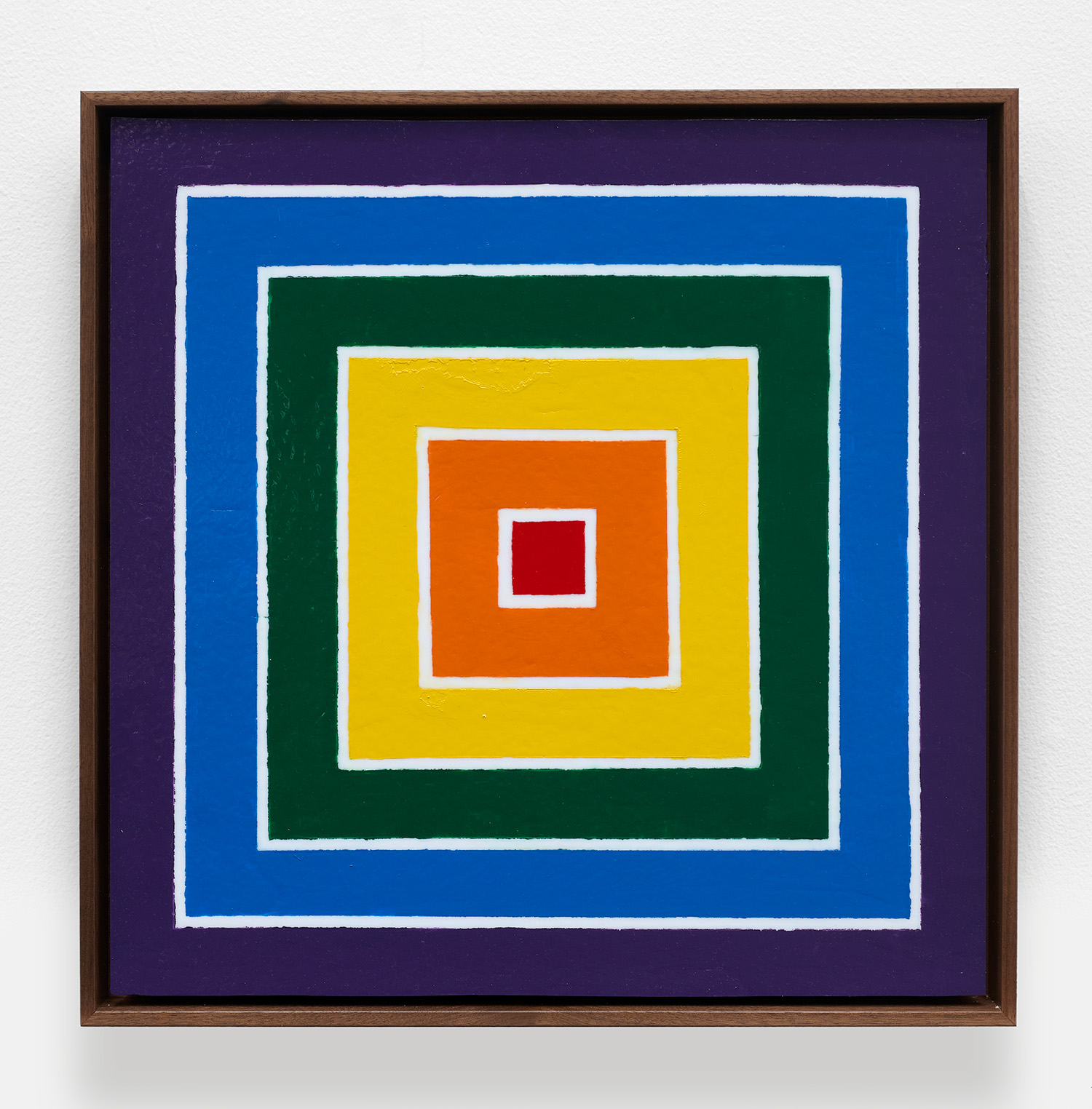
Eric Sullivan, Sturtevant: Stella Amagansett 1988, 2026, enamel on rolled glass in walnut frame, 18 x 18 inches, 46 x 46 cm
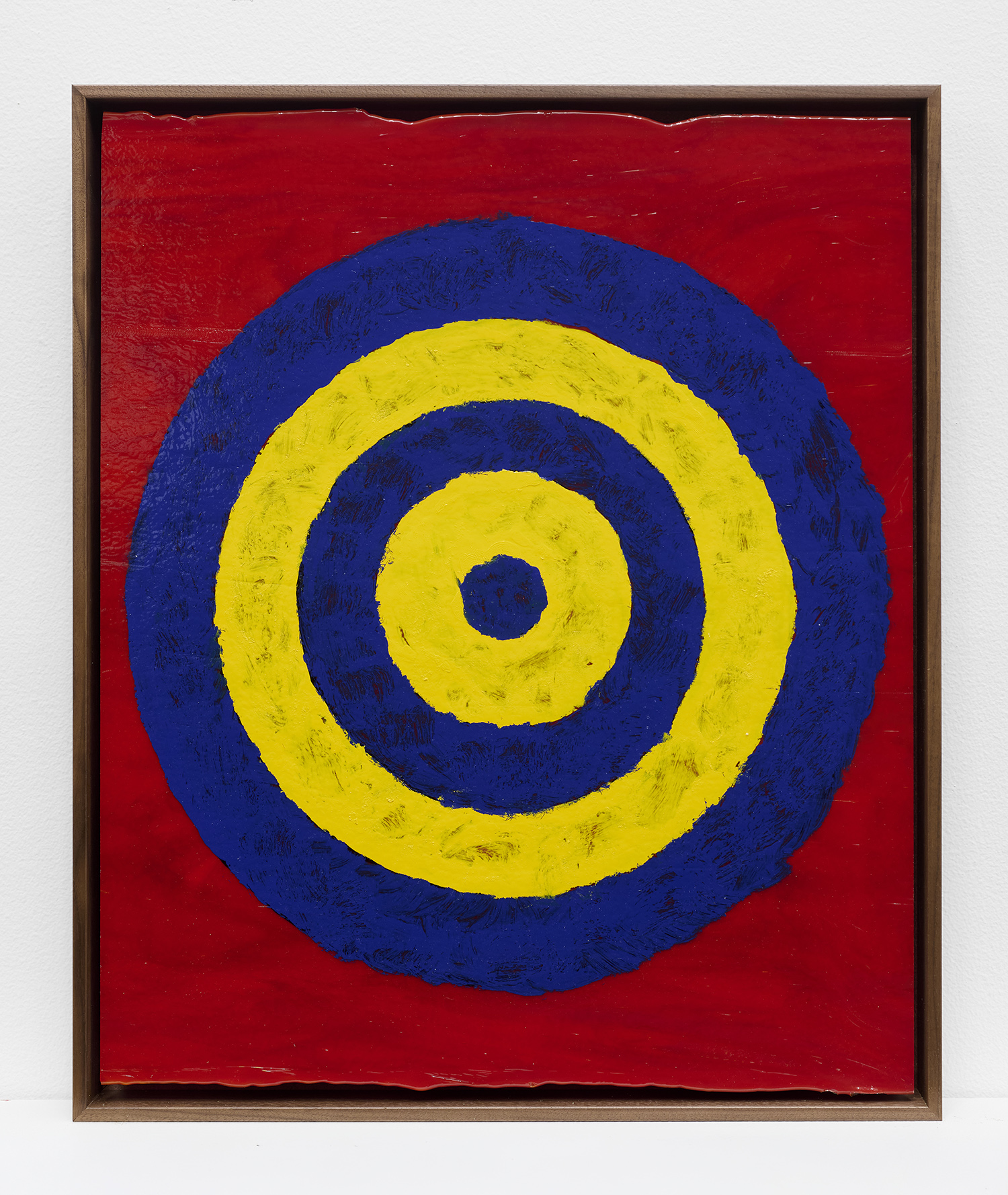
Eric Sullivan, Sturtevant: John’s Target 1986, 2026, enamel on rolled glass in walnut frame, 21 x 18 x 5 inches, 46 x 53 x 13 cm
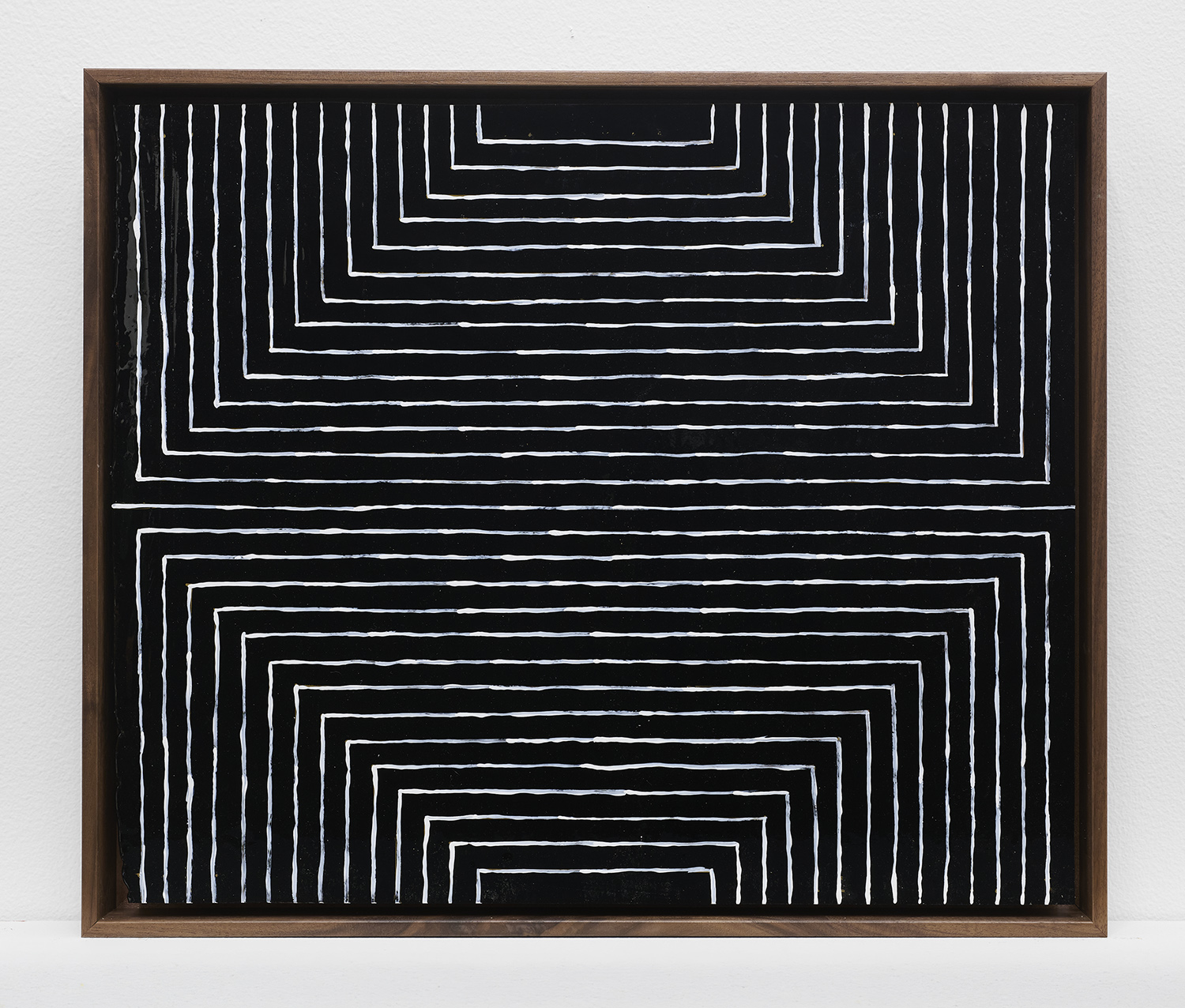
Eric Sullivan, Sturtevant: Study for Stella Bethlehem Hospital 1990, 2026, enamel on rolled glass in walnut frame, 17 x 20 inches, 43 x 51 cm
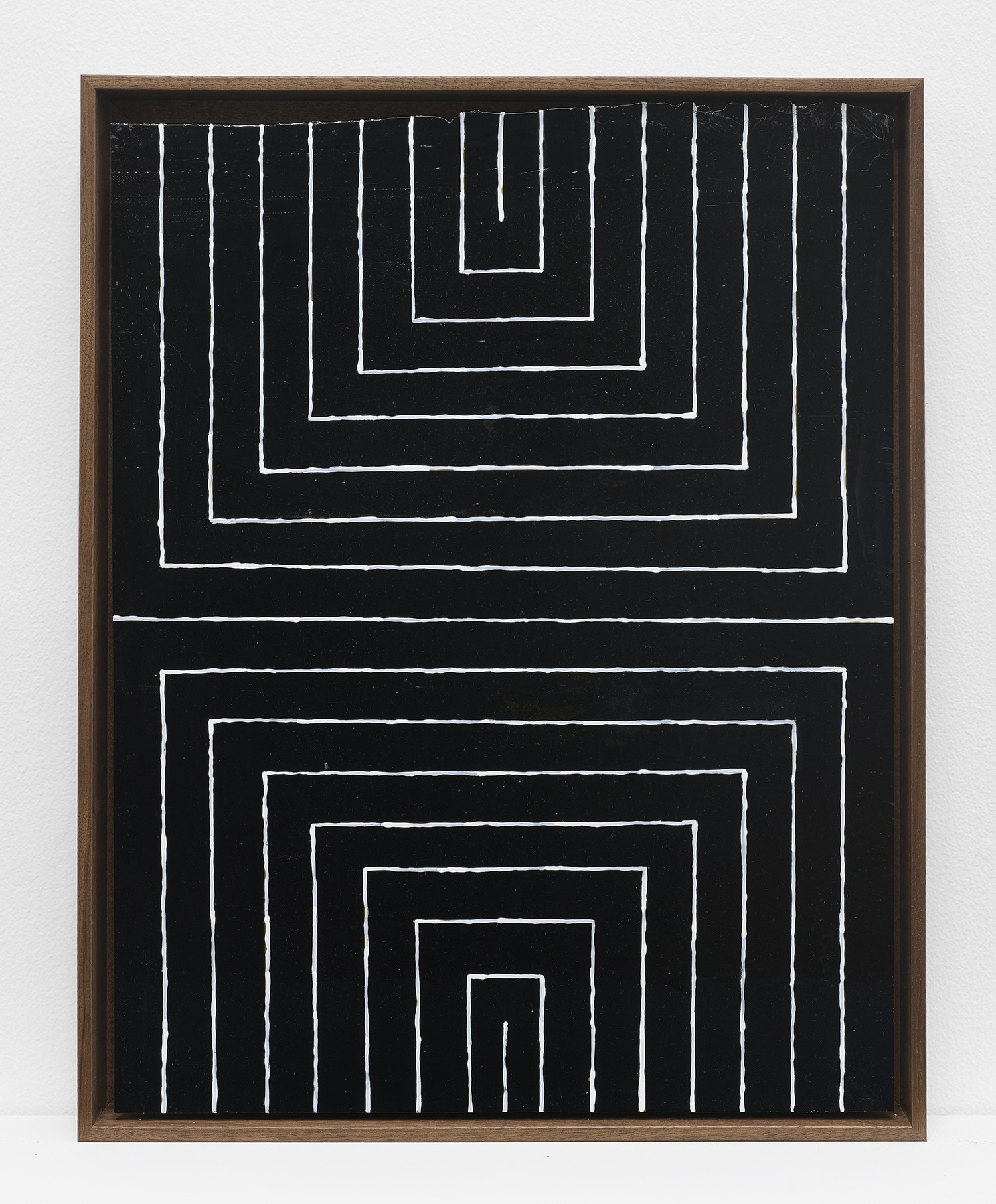
Eric Sullivan, Sturtevant: Study for Stella Arundel Castle 1989, 2026, enamel on rolled glass in walnut frame, 21 x 17 inches, 53 x 43 cm
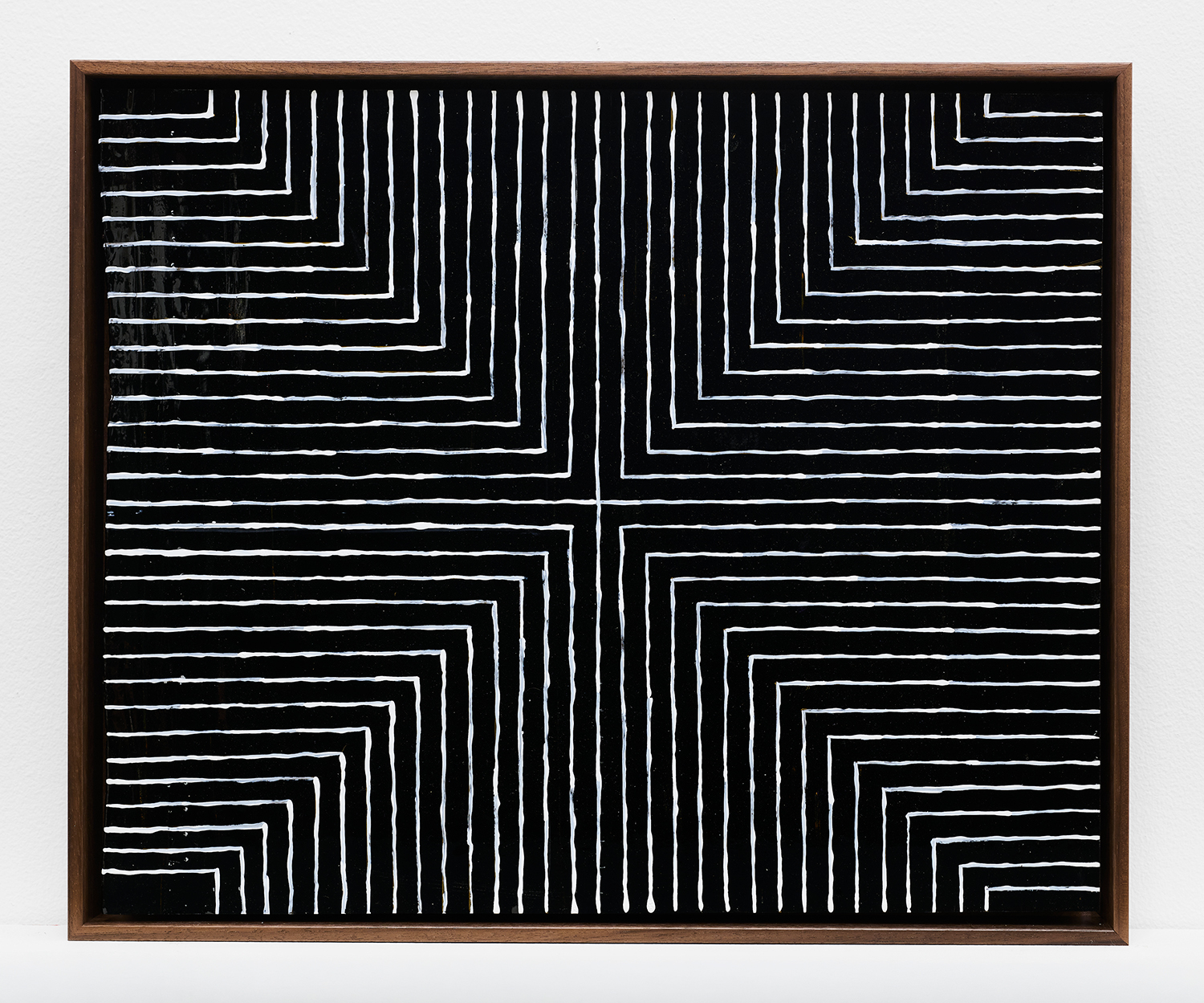
Eric Sullivan, Sturtevant: Stella Arbeit Macht Frei 1989, 2026, enamel on rolled glass in walnut frame, 17 x 20 inches, 43 x 51 cm
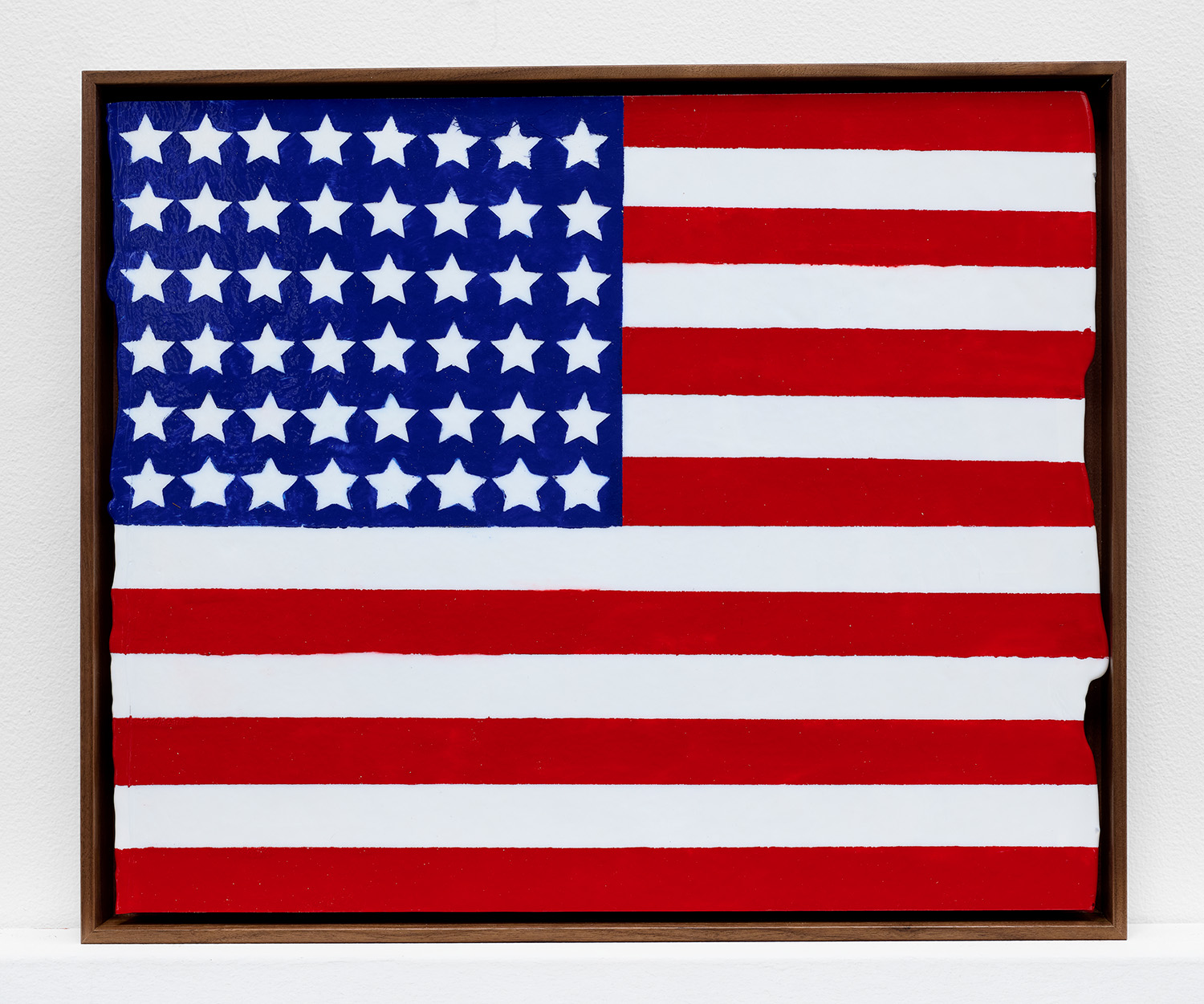
Eric Sullivan, Sturtevant: John’s Flag 1993, 2026, enamel on rolled glass in walnut frame, 18 x 21 inches, 46 x 53 cm
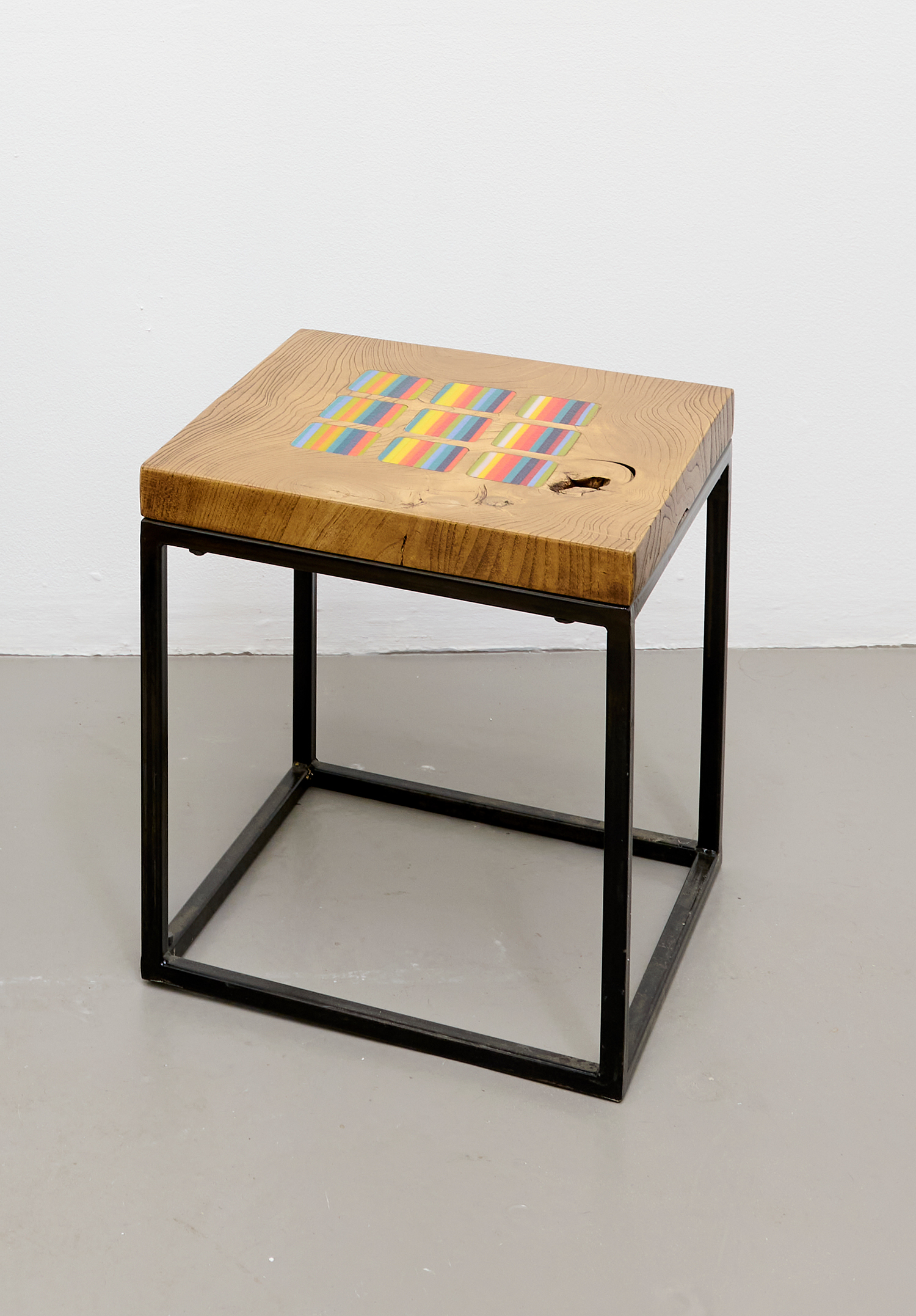
Eric Sullivan, Save One For Later, 2026, Microwaved Borosilicate on found object mounted on metal, 18 x 18x 18 in, 46 x 46 x 46 cm
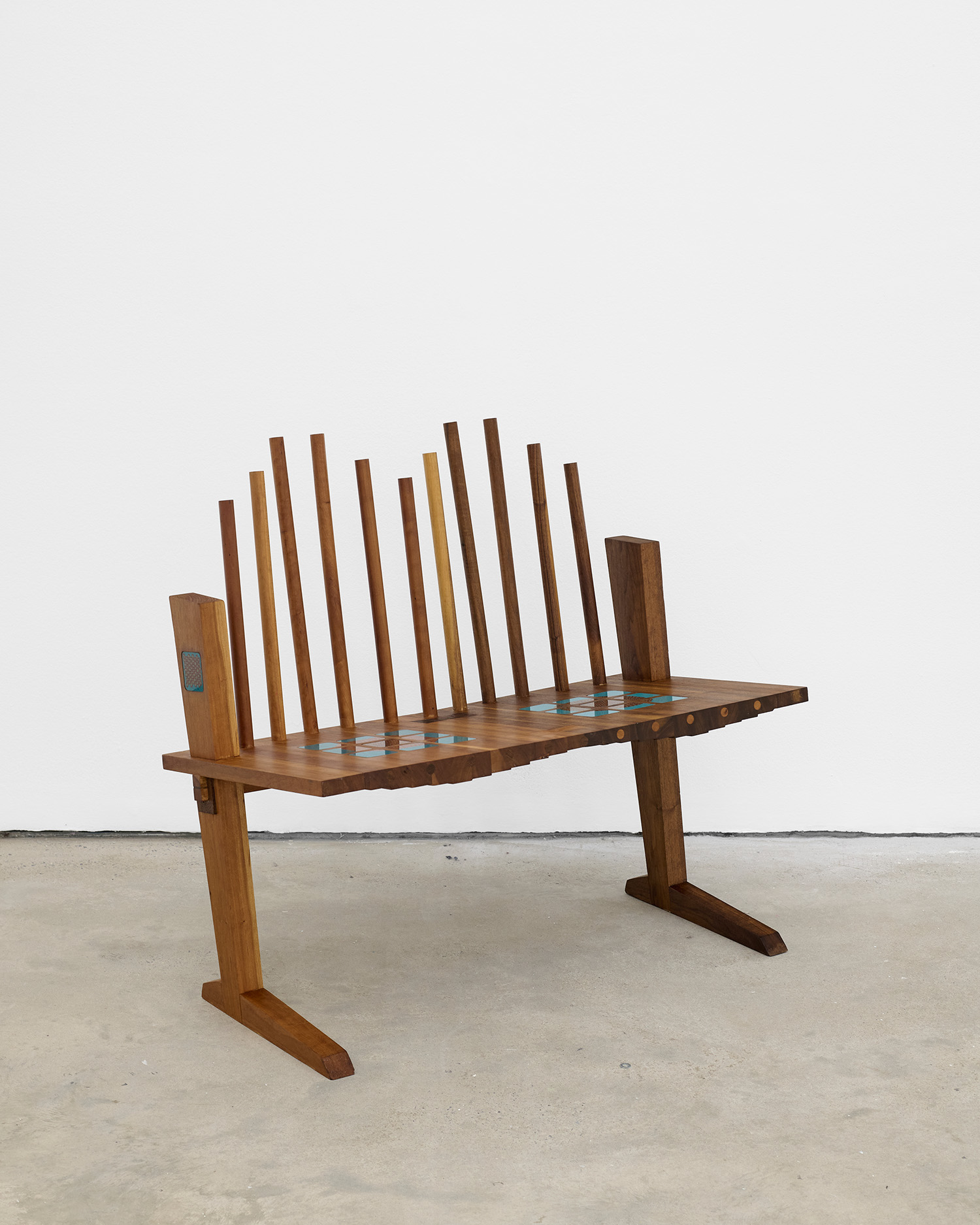
Eric Sullivan, Conoid Foot, 2026, microwaved borosilicate on found object 36 x 39 x 19.5 in, 91 x 99 x 49 cm